Category: Brand Specific

  • Life in the Day: Helena Wallace

    Life in the Day: Helena Wallace

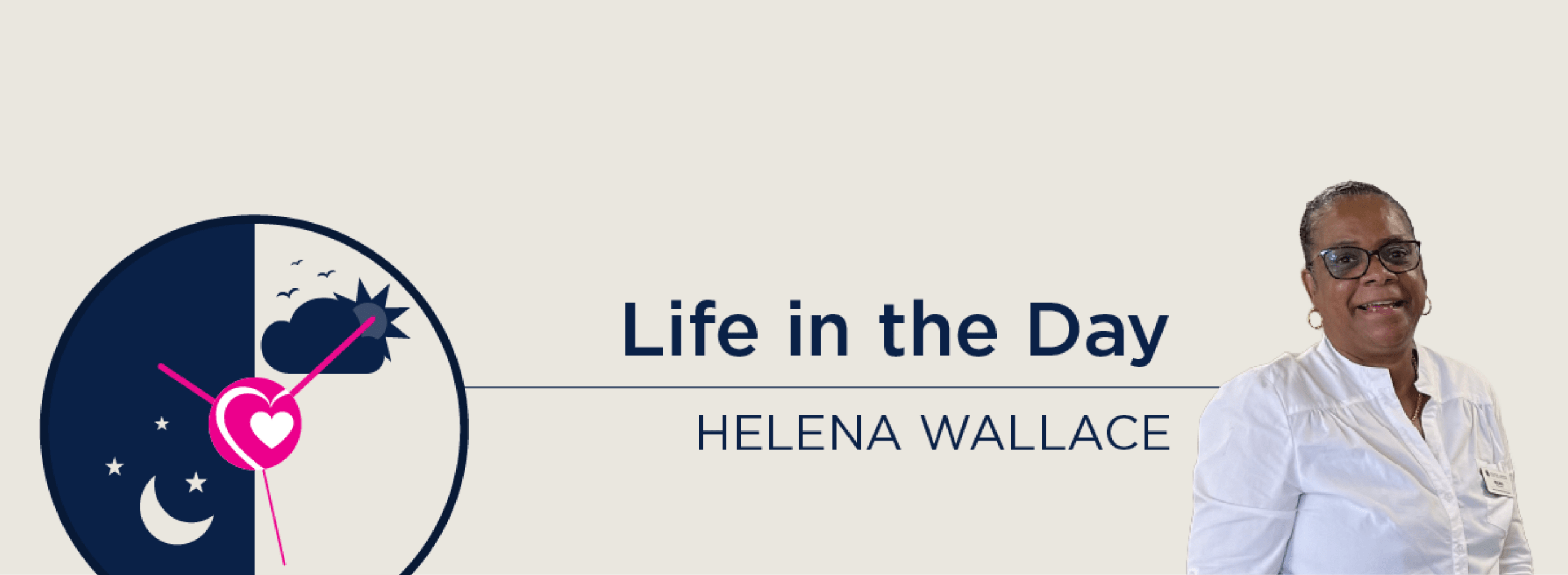
    My name is Helena Wallace, and I am a Home Care Specialist at Silver Lining In-Home Care. With over 20 years of experience, I am committed to working closely with families and supporting Caregivers to ensure the best outcomes, and I’m still learning new things every day. With extensive experience in this field, I have developed a deeper empathy and compassion for the families I work with, and a broader understanding of how much reliable home care can make a difference to these families. This understanding motivates me to advocate for my clients and ensure they get the very best care.

    Silver Lining enables me to help families make informed decisions about home care for their loved ones, using information about their needs and about our capabilities as a home care provider. I try to bring my all to work every day and learn a little more from each experience. Bringing comfort and peace of mind to families fills my days with purpose and joy, making every moment in my work deeply rewarding.

  • Providing Care at an Affordable Cost

    Providing Care at an Affordable Cost

    At Care Advantage, we believe high-quality in-home care should be accessible, not overwhelming. Our goal is to provide compassionate, professional care at an affordable cost, helping clients remain safely at home while easing the financial and emotional strain often felt by families.

    The cost of in-home care can extend beyond hourly services. Families may also face expenses such as transportation to medical appointments, home modifications, medical supplies, missed work hours for family caregivers, and even long-term health costs when care needs go unmet. When these add up, stress can increase quickly for both clients and their loved ones.

    By offering thoughtfully designed care plans and cost-conscious options, Care Advantage helps families manage these challenges more effectively. Affordable, consistent in-home care can reduce hospital readmissions, prevent falls and injuries, and support better medication adherence—all of which contribute to improved health outcomes and lower long-term medical expenses.

    Just as importantly, knowing that a loved one is receiving reliable care at home brings peace of mind. When families aren’t stretched thin financially, they’re better able to focus on what truly matters: quality time, emotional connection, and overall well-being.

    At Care Advantage, affordability isn’t about cutting corners—it’s about delivering meaningful care that supports healthier lives and stronger families.

  • Life in the Day: Zachary Mitchell

    Life in the Day: Zachary Mitchell

    My name is Zachary Mitchell, and I am a Home Care Specialist for Care Advantage. I come from the Home Health and Hospice world for the last 10 years. After seeing how many older individuals live alone or with their spouses trying to take care of each other, it became abundantly clear that neither hospice nor home health alone can meet their needs. The cry from burnt out caregivers was loud and clear. After speaking with Care Advantage, it became very obvious that “people” are the missing link in this healthcare continuum.

    It has been an eye-opening experience to recognize that I had tunnel vision doing Home health and Hospice, I now have a brand-new perspective, and it’s amazing. I can see clearly now that what I do is the missing link. It also an honor to know that my company covers a segment of the population that are often neglected.

    Whether it’s teaching, home health, hospice, and now personal care, I have a sense of fulfillment and satisfaction at the end of each day knowing that I did the right thing for my clients. People taking care of people, I love it!

  • WORKING TOGETHER – HOME CARE AND HOME HEALTH

    WORKING TOGETHER – HOME CARE AND HOME HEALTH

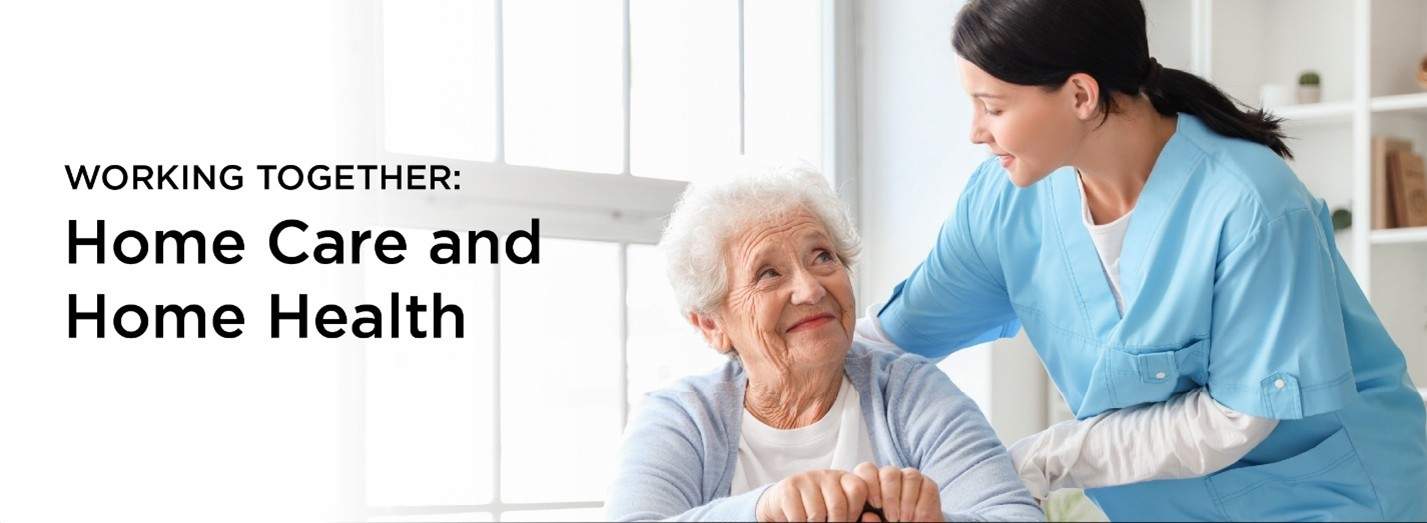
    Recovering from an illness, surgery, or managing a chronic condition often requires more than occasional medical visits. The best outcomes happen when skilled health care and day-to-day in-home support work hand in hand. At Silver Lining Healthcare, clients benefit from a coordinated approach where non-medical caregivers and skilled clinicians complement one another, creating a safer, more supportive healing environment at home.

    Continuity of Care That Closes the Gaps

    Skilled clinicians such as nurses, physical therapists, and occupational therapists address medical and rehabilitative needs during scheduled visits. In-home caregivers then reinforce those care plans every day—helping ensure instructions are followed consistently and nothing falls through the cracks between skilled visits. This continuity is especially important during recovery, when small details can make a big difference.

    Consistent Support Between Skilled Visits

    Home health visits are intermittent by design. In-home caregivers provide the steady presence clients need in between those visits, helping them safely follow discharge instructions and therapy recommendations. Whether it’s assisting with mobility, reminding a client to rest, or encouraging proper nutrition, caregivers help maintain momentum until the next skilled appointment.

    Improved Outcomes and Faster Recovery

    Therapists often prescribe exercises, mobility techniques, and daily routines to support recovery. Caregivers help clients carry out these recommendations safely and consistently, reinforcing what therapists teach. This extra support can lead to better progress, improved confidence, and faster recovery overall.

    Medication Support and Observation

    Skilled nurses oversee medication management, including changes, education, and clinical monitoring. In-home caregivers complement this by providing reminders, observing for side effects, and reporting concerns promptly. This shared responsibility helps reduce medication errors and ensures issues are addressed quickly.

    Reduced Hospital Readmissions

    Having “extra eyes” in the home makes a real difference. Caregivers often notice subtle changes in a client’s condition—such as increased confusion, weakness, or appetite changes—and can alert the skilled team early. This timely communication allows clinicians to intervene before problems escalate, helping reduce avoidable hospital readmissions.

    Enhanced Safety and Fall Prevention

    Therapists focus on improving strength, balance, and safe movement. Caregivers reinforce these lessons daily by assisting with transfers, ambulation, and home safety. This ongoing support helps lower fall risk and builds confidence as clients regain independence.

    Support with Activities of Daily Living

    While skilled care focuses on medical and therapeutic needs, in-home caregivers assist with activities of daily living such as bathing, dressing, meal preparation, and light housekeeping. By handling these essential tasks, caregivers allow clients to conserve energy and focus on healing.

    Smoother Transitions of Care

    As skilled services naturally phase out as the client improves, in-home care can continue without interruption. This smooth transition prevents gaps in support and helps clients maintain progress, promoting long-term independence and stability at home.

    Peace of Mind for Families

    Perhaps most importantly, families gain reassurance knowing their loved one has both clinical oversight and compassionate day-to-day assistance. With skilled professionals guiding medical care and trusted caregivers providing consistent support, families can feel confident their loved one is in good hands.

    Together, Silver Lining Healthcare can deliver a comprehensive, coordinated care experience—helping the client acclimate to skilled health care and building off their contributions.
  • WORKING TOGETHER – HOME CARE AND HOME HEALTH

    WORKING TOGETHER – HOME CARE AND HOME HEALTH

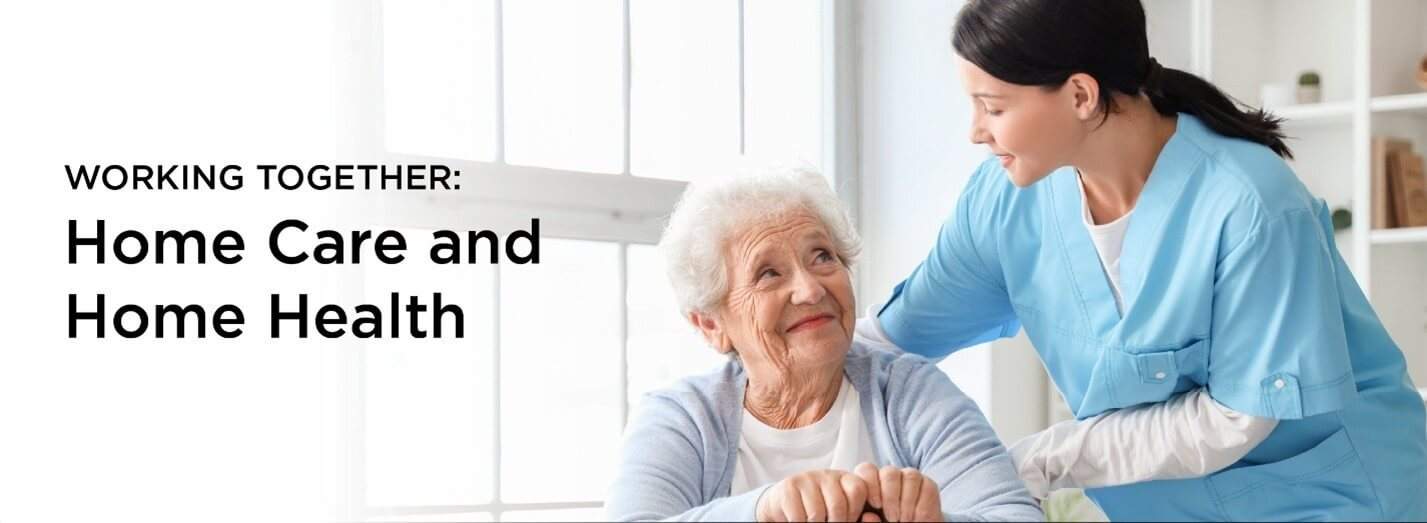
    Recovering from an illness, surgery, or managing a chronic condition often requires more than occasional medical visits. The best outcomes happen when skilled health care and day-to-day in-home support work hand in hand. At Coastal Home Care, clients benefit from a coordinated approach where non-medical caregivers and skilled clinicians complement one another, creating a safer, more supportive healing environment at home.

    Continuity of Care That Closes the Gaps

    Skilled clinicians such as nurses, physical therapists, and occupational therapists address medical and rehabilitative needs during scheduled visits. In-home caregivers then reinforce those care plans every day—helping ensure instructions are followed consistently and nothing falls through the cracks between skilled visits. This continuity is especially important during recovery, when small details can make a big difference.

    Consistent Support Between Skilled Visits

    Home health visits are intermittent by design. In-home caregivers provide the steady presence clients need in between those visits, helping them safely follow discharge instructions and therapy recommendations. Whether it’s assisting with mobility, reminding a client to rest, or encouraging proper nutrition, caregivers help maintain momentum until the next skilled appointment.

    Improved Outcomes and Faster Recovery

    Therapists often prescribe exercises, mobility techniques, and daily routines to support recovery. Caregivers help clients carry out these recommendations safely and consistently, reinforcing what therapists teach. This extra support can lead to better progress, improved confidence, and faster recovery overall.

    Medication Support and Observation

    Skilled nurses oversee medication management, including changes, education, and clinical monitoring. In-home caregivers complement this by providing reminders, observing for side effects, and reporting concerns promptly. This shared responsibility helps reduce medication errors and ensures issues are addressed quickly.

    Reduced Hospital Readmissions

    Having “extra eyes” in the home makes a real difference. Caregivers often notice subtle changes in a client’s condition—such as increased confusion, weakness, or appetite changes—and can alert the skilled team early. This timely communication allows clinicians to intervene before problems escalate, helping reduce avoidable hospital readmissions.

    Enhanced Safety and Fall Prevention

    Therapists focus on improving strength, balance, and safe movement. Caregivers reinforce these lessons daily by assisting with transfers, ambulation, and home safety. This ongoing support helps lower fall risk and builds confidence as clients regain independence.

    Support with Activities of Daily Living

    While skilled care focuses on medical and therapeutic needs, in-home caregivers assist with activities of daily living such as bathing, dressing, meal preparation, and light housekeeping. By handling these essential tasks, caregivers allow clients to conserve energy and focus on healing.

    Smoother Transitions of Care

    As skilled services naturally phase out as the client improves, in-home care can continue without interruption. This smooth transition prevents gaps in support and helps clients maintain progress, promoting long-term independence and stability at home.

    Peace of Mind for Families

    Perhaps most importantly, families gain reassurance knowing their loved one has both clinical oversight and compassionate day-to-day assistance. With skilled professionals guiding medical care and trusted caregivers providing consistent support, families can feel confident their loved one is in good hands.

    Together, Coastal Home Care can deliver a comprehensive, coordinated care experience—helping the client acclimate to skilled health care and building off their contributions.

  • Knowing Your Loved Ones’ In-Home Care Needs

    Knowing Your Loved Ones’ In-Home Care Needs

    Sometimes, it’s difficult to recognize when your loved ones might need a little extra help at home. Common signs include changes in personal hygiene, difficulty managing medications, missed meals, or increased forgetfulness. You may also notice a decline in mobility, more frequent falls, or a lack of interest in activities they once enjoyed. Emotional shifts—such as irritability, confusion, or withdrawal from social interactions—can also signal that daily living is becoming more challenging and that additional support could greatly improve their quality of life.

    The type of assistance an aging loved one needs can vary widely. Some may simply benefit from companionship and help with light housekeeping, while others might need more hands-on personal care such as bathing, dressing, and mobility assistance. Support with meal preparation, transportation, or medication reminders can make a significant difference in maintaining safety and independence at home.

    Care Advantage is dedicated to meeting these needs through personalized in-home care services designed around each individual’s lifestyle and preferences. Their compassionate caregivers provide everything from basic companionship to specialized personal care, ensuring that seniors can remain comfortable and secure in the familiar surroundings of home. With Care Advantage, families can have peace of mind knowing their loved one is receiving dependable, respectful, and professional care that helps them thrive every day.

  • Fall Prevention for Seniors: How to Stay Safe and Independent at Home

    Fall Prevention for Seniors: How to Stay Safe and Independent at Home

    Every year, millions of seniors experience falls, many of which lead to serious injuries or hospital visits. At Silver Lining Healthcare, we understand that staying safe at home is essential for maintaining independence, health, and quality of life.

    That’s why this National Fall Prevention Month, we’re raising awareness about one of the most common and preventable risks facing older adults: falls. Here are some simple, proactive steps you can pass on to your patients to make their home a safer place.

    Why Fall Prevention Matters

    Each year, nearly 1 million older adults are hospitalized from fall-related injuries, and falls are the leading cause of both fatal and non-fatal injuries in this age group. These incidents can result in fractures, head injuries, or long-term loss of mobility. But here’s the good news: most falls are preventable with a few practical adjustments and awareness.

    5 Steps Seniors Can Take to Prevent Falls at Home

    1. Make Your Home Safer

    Small changes at home can dramatically reduce fall risk. Try things like:

    • Remove clutter and tripping hazards such as loose rugs, cords, or shoes
    • Install grab bars in the bathroom near the toilet and inside the shower
    • Ensure walkways and stairs are well-lit and free of obstacles

    2. Wear the Right Footwear

    The shoes you wear can make a big difference. Choose something supportive with non-slip soles and low heels, and avoid walking in socks, flip-flops, or smooth-soled slippers.

    3. Stay Active to Improve Strength and Balance

    Regular physical activity keeps muscles strong and improves balance:

    • Try daily walks, stretching, or tai chi
    • Join a senior fitness or balance class
    • Speak with your doctor before starting new exercise routines

    4. Review Your Medications

    Some prescriptions or drug interactions can cause dizziness or drowsiness. Be sure to:

    • Keep an updated list of all medications and supplements
    • Discuss side effects with your pharmacist or physician
    • Avoid skipping or doubling up on doses

    5. Schedule Regular Vision and Hearing Checks

    Poor eyesight or hearing makes it harder to detect hazards:

    • Get annual eye exams and hearing tests
    • Keep prescriptions up to date
    • Clean glasses regularly and wear them as needed

    How Silver Lining Healthcare, Inc. Supports Fall Prevention

    At Silver Lining Healthcare, our experienced team of caregivers is specially trained to:

    • Identify fall risks in the home
    • Assist with safe mobility and daily activities
    • Encourage healthy routines that promote strength and confidence
    • Provide compassionate, one-on-one support

    We also offer free fall risk assessments as part of our in-home care services, ensuring that every client receives personalized care designed for both comfort and safety.

    Contact Care Advantage today to learn more about our fall prevention programs and in-home care services.

  • Life in the Day: Cynthia Holmes

    Life in the Day: Cynthia Holmes

    My journey into healthcare has been both personal and purposeful. I began working with Silver Lining Healthcare over 15 years ago, and after some time away, I returned in June 2025 because I know this was where I truly belonged. This industry isn’t just my profession—it’s part of who I am. I’ve always been the kind of person others turn to for support and guidance, both professionally and personally, and I’m deeply committed to helping people receive the compassionate, high-quality care they deserve.

    My passion for this industry was shaped by experiences within my own family. My mother passed away at just 55 after battling an aggressive form of breast cancer, and in 2023 my father was diagnosed with vascular dementia. I cared for him through his final year until his passing in 2024 at the age of 90. These losses have fueled my commitment to serve others with the same compassion, dignity, and respect I would want for my own loved ones.

    When I’m not working, I’m very involved in my church community, spending quality time with my family, traveling, and—when I get the chance—doing a little shopping. These moments recharge me and keep me grounded in what truly matters.

    Returning to Silver Lining Healthcare felt like coming home, and every day I’m reminded why I chose this path: to make a real difference in people’s lives.

  • Fall Prevention for Seniors: How to Stay Safe and Independent at Home

    Fall Prevention for Seniors: How to Stay Safe and Independent at Home

    Every year, millions of seniors experience falls, many of which lead to serious injuries or hospital visits. At Care Advantage, Inc., we understand that staying safe at home is essential for maintaining independence, health, and quality of life.

    That’s why this National Fall Prevention Month, we’re raising awareness about one of the most common and preventable risks facing older adults: falls. Here are some simple, proactive steps you can pass on to your patients to make their home a safer place.

    Why Fall Prevention Matters

    Each year, nearly 1 million older adults are hospitalized from fall-related injuries, and falls are the leading cause of both fatal and non-fatal injuries in this age group. These incidents can result in fractures, head injuries, or long-term loss of mobility. But here’s the good news: most falls are preventable with a few practical adjustments and awareness.

    5 Steps Seniors Can Take to Prevent Falls at Home

    1. Make Your Home Safer

    Small changes at home can dramatically reduce fall risk. Try things like:

    • Remove clutter and tripping hazards such as loose rugs, cords, or shoes
    • Install grab bars in the bathroom near the toilet and inside the shower
    • Ensure walkways and stairs are well-lit and free of obstacles

    2. Wear the Right Footwear

    The shoes you wear can make a big difference. Choose something supportive with non-slip soles and low heels, and avoid walking in socks, flip-flops, or smooth-soled slippers.

    3. Stay Active to Improve Strength and Balance

    Regular physical activity keeps muscles strong and improves balance:

    • Try daily walks, stretching, or tai chi
    • Join a senior fitness or balance class
    • Speak with your doctor before starting new exercise routines

    4. Review Your Medications

    Some prescriptions or drug interactions can cause dizziness or drowsiness. Be sure to:

    • Keep an updated list of all medications and supplements
    • Discuss side effects with your pharmacist or physician
    • Avoid skipping or doubling up on doses

    5. Schedule Regular Vision and Hearing Checks

    Poor eyesight or hearing makes it harder to detect hazards:

    • Get annual eye exams and hearing tests
    • Keep prescriptions up to date
    • Clean glasses regularly and wear them as needed

    How Care Advantage, Inc. Supports Fall Prevention

    At Care Advantage, our experienced team of caregivers is specially trained to:

    • Identify fall risks in the home
    • Assist with safe mobility and daily activities
    • Encourage healthy routines that promote strength and confidence
    • Provide compassionate, one-on-one support

    We also offer free fall risk assessments as part of our in-home care services, ensuring that every client receives personalized care designed for both comfort and safety.

    Contact Care Advantage today to learn more about our fall prevention programs and in-home care services.