Author: admin

  • Partnering & Providing: Guiding an Improved Dementia Experience

    Partnering & Providing: Guiding an Improved Dementia Experience

    Dementia affects more than 7 million Americans today, and this disease takes a serious toll on people that suffer from the disease and those that look after them. That’s why we are so proud to be partnering with PocketRN in offering the opportunity to be evaluated for the GUIDE program, and potentially be eligible for 80 hours annually of free in-home care support services.

    The ‘Guiding an Improved Dementia Experience’ (GUIDE) Model is a pioneering program announced by the Centers for Medicare & Medicaid Services (CMS) designed to support people living with dementia and their caregivers. The goal is to improve the quality of life for those affected by dementia, and/or easing the burden on their caregivers.

    The GUIDE model offers:

    • Personalized care plans: Each patient receives a custom care plan based on their health needs and preferences, regularly reviewed and updated as their condition changes.
    • Reducing the caregiver’s burden: Relief for families dealing with the stresses of caregiving, including decreased depression and unmet needs. Respite services, when used consistently, help caregivers continue providing care at home.
    • Enhanced care coordination: Seamless collaboration between healthcare providers, potentially reducing hospitalization rates and emergency department visits. This approach can delay or prevent unnecessary care transitions.
    • Empowerment through education: Resources that help families make informed decisions, improving clinical documentation and enabling people with dementia to remain in their homes and communities longer.
    • Comprehensive support: Our program aims to improve quality of life for people with dementia while reducing strain on unpaid caregivers, ultimately postponing the need for facility care.
    • Advance care planning:  GUIDE helps document patient wishes for future care, ensuring their values and preferences are respected.
    • Respite for caregivers: Temporary relief is offered to caregivers, allowing them to rest and recharge, improving their ability to provide quality care.

    GUIDE does this by working with preferred partners like Capital City Nurses to personalize care plans and provide additional support for our clients. A team of caregivers can provide the patient with support to ensure that they receive the care that’s right for them. While the client’s family receives resources and information to help them provide the very best of care for their relative’s specific needs and symptoms, caregivers are supported by temporary relief care to keep them at their very best when they’re working.

    Get started now; contact your local office today.

  • LIFE IN THE DAY: ELIZABETH MAKO

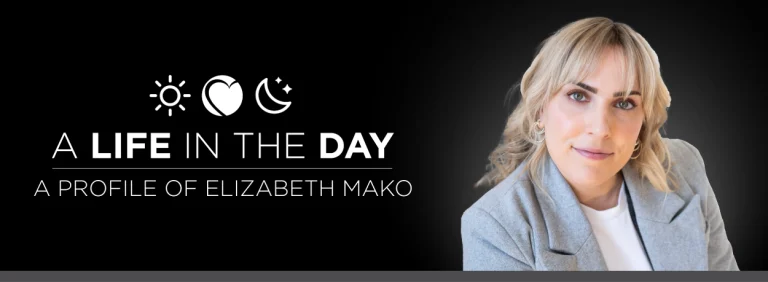
    LIFE IN THE DAY: ELIZABETH MAKO

    As I drive between hospitals, rehab centers, and retirement communities across Northern Virginia in my position at Capital City Nurses, I see the real-world impact of specialized care every day. One thing I’ve learned? Parkinson’s care isn’t one-size-fits-all. Our clients living with Parkinson’s and other movement disorders benefit tremendously from our caregivers and nurses who bring years of hands-on experience to the table. Our team members aren’t just familiar with Parkinson’s – they understand how symptoms can change from morning to evening and how to adjust support accordingly. That kind of expertise simply can’t be taught overnight.

    My conversations with healthcare partners throughout the day often turn to how we can better serve clients with progressive conditions like Parkinson’s. Whether I’m meeting with a discharge planner at a hospital or chatting with the wellness director at a retirement community, the goal is always the same – helping people maintain their independence and dignity at home. I love being able to say, “Yes, we have caregivers and nurses who specifically understand Parkinson’s care” and seeing the relief on their faces. It’s those moments that bring purpose and meaning to our work.

    Of course, my door is always open for a conversation about how Capital City Nurses or any of our other care companies might be able to help. As we were recently reminded during Parkinson’s Awareness Month, this disease affects an estimated 1.1 million Americans, with a further 90,000 being diagnosed each year. While Parkinson’s Awareness Month comes once a year, it is important to keep it front-and-center, and our commitment to providing high-quality care for those living with this condition is year-round. It’s what gets me out the door each morning, ready to connect the right care with the people who need it most.

  • BEAT THE HEAT

    BEAT THE HEAT

    Staying Safe and Having Fun in the Summer Heat: A Guide for Seniors

    Summer is a wonderful time to enjoy the outdoors, spend time with friends and family, and soak in some sunshine, but it also brings serious heat-related risks, especially for older adults. As we age, our bodies don’t adjust to temperature changes as efficiently, which makes seniors more susceptible to heat exhaustion and heat stroke. Fortunately, with a few simple precautions, you can stay safe while still enjoying all that summer has to offer.

    Smart Tips for Staying Safe in the Heat

    1. Watch the Clock

    Timing is everything when it comes to beating the heat. Try to plan outdoor activities for early in the morning or later in the evening when the sun is less intense. Between 12 p.m. and 3 p.m., the sun is at its strongest, and it’s best to stay indoors or in the shade during those hours.

    2. Dress for Comfort and Safety

    Choose lightweight, light-colored, and breathable fabrics like cotton or moisture-wicking materials that help keep sweat away from your body. A wide-brimmed hat and sunglasses can also protect your face and eyes from the sun.

    3. Stay Hydrated

    Hydration is key during hot weather. Drink several cups of water before heading outdoors and continue sipping throughout your time outside. Avoid drinks that dehydrate you, such as coffee, tea, and alcohol. Even if you don’t feel thirsty, your body still needs water.

    4. Take Frequent Breaks

    If you’re gardening, walking, or doing any physical activity, be sure to take regular breaks. Find a shaded or air-conditioned area, sit down, drink some water, and rest before continuing.

    Know the Warning Signs

    Being able to recognize the symptoms of heat-related illness can save your life or someone else’s. Two main concerns are heat exhaustion and heat stroke.

    Symptoms of Heat Exhaustion:

    • Headaches
    • Cool, pale, and moist skin
    • Fast, weak pulse
    • Dizziness or light-headedness
    • Muscle cramps or weakness
    • Nausea or vomiting
    • Fainting

    If you notice these signs, immediately stop all activity, move to a cool place, and begin cooling down. Splash your skin with cold water and drink water slowly. If symptoms persist or worsen, seek medical help.

    Symptoms of Heat Stroke (Call 9-1-1 Immediately):

    • Body temperature of 103°F or higher
    • Hot, red, dry or damp skin
    • Fast, strong pulse
    • Headache, dizziness, confusion
    • Nausea
    • Fainting

    Heat stroke is a life-threatening emergency. If you or someone else shows these signs, call for emergency help right away and take steps to cool the body while waiting for medical personnel.

    Fun and Safe Summer Ideas for Seniors

    Even on hot days, there are still plenty of ways to stay active and enjoy summer while keeping cool:

    • Early morning or evening walks at a local park or along shaded trails
    • Indoor hobbies like crafting, puzzles, or reading in a cool, air-conditioned room
    • Water activities like swimming or water aerobics at a community center
    • Picnics in the shade, with plenty of cold drinks and light snacks
    • Visits to air-conditioned museums, libraries, or senior centers

    The summer sun doesn’t have to slow you down—just remember to plan ahead, stay cool, and listen to your body. By following these simple guidelines, seniors can enjoy a safe, active, and joyful summer season.

    Stay cool and have fun!

  • Partnering & Providing: Guiding an Improved Dementia Experience

    Partnering & Providing: Guiding an Improved Dementia Experience

    Dementia affects more than 7 million Americans today, and this disease takes a serious toll on people that suffer from the disease and those that look after them. That’s why we are so proud to be partnering with PocketRN in offering the opportunity to be evaluated for the GUIDE program, and potentially be eligible for 80 hours annually of free in-home care support services.

    The ‘Guiding an Improved Dementia Experience’ (GUIDE) Model is a pioneering program announced by the Centers for Medicare & Medicaid Services (CMS) designed to support people living with dementia and their caregivers. The goal is to improve the quality of life for those affected by dementia, and/or easing the burden on their caregivers.

    The GUIDE model offers:

    • Personalized care plans: Each patient receives a custom care plan based on their health needs and preferences, regularly reviewed and updated as their condition changes.
    • Reducing the caregiver’s burden: Relief for families dealing with the stresses of caregiving, including decreased depression and unmet needs. Respite services, when used consistently, help caregivers continue providing care at home.
    • Enhanced care coordination: Seamless collaboration between healthcare providers, potentially reducing hospitalization rates and emergency department visits. This approach can delay or prevent unnecessary care transitions.
    • Empowerment through education: Resources that help families make informed decisions, improving clinical documentation and enabling people with dementia to remain in their homes and communities longer.
    • Comprehensive support: Our program aims to improve quality of life for people with dementia while reducing strain on unpaid caregivers, ultimately postponing the need for facility care.
    • Advance care planning:  GUIDE helps document patient wishes for future care, ensuring their values and preferences are respected.
    • Respite for caregivers: Temporary relief is offered to caregivers, allowing them to rest and recharge, improving their ability to provide quality care.

    GUIDE does this by working with preferred partners like Silver Lining Healthcare to personalize care plans and provide additional support for our clients. A team of caregivers can provide the patient with support to ensure that they receive the care that’s right for them. While the client’s family receives resources and information to help them provide the very best of care for their relative’s specific needs and symptoms, caregivers are supported by temporary relief care to keep them at their very best when they’re working.

    Get started now; contact your local office today.

  • Beat The Heat

    Beat The Heat

    Staying Safe and Having Fun in the Summer Heat: A Guide for Seniors

    Summer is a wonderful time to enjoy the outdoors, spend time with friends and family, and soak in some sunshine, but it also brings serious heat-related risks, especially for older adults. As we age, our bodies don’t adjust to temperature changes as efficiently, which makes seniors more susceptible to heat exhaustion and heat stroke. Fortunately, with a few simple precautions, you can stay safe while still enjoying all that summer has to offer.

    Smart Tips for Staying Safe in the Heat

    1. Watch the Clock

    Timing is everything when it comes to beating the heat. Try to plan outdoor activities for early in the morning or later in the evening when the sun is less intense. Between 12 p.m. and 3 p.m., the sun is at its strongest, and it’s best to stay indoors or in the shade during those hours.

    2. Dress for Comfort and Safety

    Choose lightweight, light-colored, and breathable fabrics like cotton or moisture-wicking materials that help keep sweat away from your body. A wide-brimmed hat and sunglasses can also protect your face and eyes from the sun.

    3. Stay Hydrated

    Hydration is key during hot weather. Drink several cups of water before heading outdoors and continue sipping throughout your time outside. Avoid drinks that dehydrate you, such as coffee, tea, and alcohol. Even if you don’t feel thirsty, your body still needs water.

    4. Take Frequent Breaks

    If you’re gardening, walking, or doing any physical activity, be sure to take regular breaks. Find a shaded or air-conditioned area, sit down, drink some water, and rest before continuing.

    Know the Warning Signs

    Being able to recognize the symptoms of heat-related illness can save your life or someone else’s. Two main concerns are heat exhaustion and heat stroke.

    Symptoms of Heat Exhaustion:

    • Headaches
    • Cool, pale, and moist skin
    • Fast, weak pulse
    • Dizziness or light-headedness
    • Muscle cramps or weakness
    • Nausea or vomiting
    • Fainting

    If you notice these signs, immediately stop all activity, move to a cool place, and begin cooling down. Splash your skin with cold water and drink water slowly. If symptoms persist or worsen, seek medical help.

    Symptoms of Heat Stroke (Call 9-1-1 Immediately):

    • Body temperature of 103°F or higher
    • Hot, red, dry or damp skin
    • Fast, strong pulse
    • Headache, dizziness, confusion
    • Nausea
    • Fainting

    Heat stroke is a life-threatening emergency. If you or someone else shows these signs, call for emergency help right away and take steps to cool the body while waiting for medical personnel.

    Fun and Safe Summer Ideas for Seniors

    Even on hot days, there are still plenty of ways to stay active and enjoy summer while keeping cool:

    • Early morning or evening walks at a local park or along shaded trails
    • Indoor hobbies like crafting, puzzles, or reading in a cool, air-conditioned room
    • Water activities like swimming or water aerobics at a community center
    • Picnics in the shade, with plenty of cold drinks and light snacks
    • Visits to air-conditioned museums, libraries, or senior centers

    The summer sun doesn’t have to slow you down—just remember to plan ahead, stay cool, and listen to your body. By following these simple guidelines, seniors can enjoy a safe, active, and joyful summer season.

    Stay cool and have fun!

  • Partnering & Providing: Guiding an Improved Dementia Experience

    Partnering & Providing: Guiding an Improved Dementia Experience

    The ‘Guiding an Improved Dementia Experience’ (GUIDE) Model is a pioneering program announced by the Centers for Medicare & Medicaid Services (CMS) designed to support people living with dementia and their caregivers. The goal is to improve the quality of life for those affected by dementia, and/or easing the burden on their caregivers. Read this article to learn more about how we’re using GUIDE to bring care to our clients.

    Dementia affects more than 7 million Americans today, and this disease takes a serious toll on people that suffer from the disease and those that look after them. That’s why we are so proud to be partnering with PocketRN in offering the opportunity to be evaluated for the GUIDE program, and potentially be eligible for 80 hours annually of free in-home care support services.

    The ‘Guiding an Improved Dementia Experience’ (GUIDE) Model is a pioneering program announced by the Centers for Medicare & Medicaid Services (CMS) designed to support people living with dementia and their caregivers. The goal is to improve the quality of life for those affected by dementia, and/or easing the burden on their caregivers.

    The GUIDE model offers:

    • Personalized care plans: Each patient receives a custom care plan based on their health needs and preferences, regularly reviewed and updated as their condition changes.
    • Reducing the caregiver’s burden: Relief for families dealing with the stresses of caregiving, including decreased depression and unmet needs. Respite services, when used consistently, help caregivers continue providing care at home.
    • Enhanced care coordination: Seamless collaboration between healthcare providers, potentially reducing hospitalization rates and emergency department visits. This approach can delay or prevent unnecessary care transitions.
    • Empowerment through education: Resources that help families make informed decisions, improving clinical documentation and enabling people with dementia to remain in their homes and communities longer.
    • Comprehensive support: Our program aims to improve quality of life for people with dementia while reducing strain on unpaid caregivers, ultimately postponing the need for facility care.
    • Advance care planning: GUIDE helps document patient wishes for future care, ensuring their values and preferences are respected.
    • Respite for caregivers: Temporary relief is offered to caregivers, allowing them to rest and recharge, improving their ability to provide quality care.

    GUIDE does this by working with preferred partners like Coastal Home Care to personalize care plans and provide additional support for our clients. A team of caregivers can provide the patient with support to ensure that they receive the care that’s right for them. While the client’s family receives resources and information to help them provide the very best of care for their relative’s specific needs and symptoms, caregivers are supported by temporary relief care to keep them at their very best when they’re working.

    Get started now; contact your local office today.

  • A Phone Call That Mattered

    A Phone Call That Mattered

    Take a moment to read the following testimonial relayed by our Vice President of Sales, Misti Zirk:

    Back in July, we received a phone call from “Mrs. W” that reminded us why we do what we do. On the other end of the line was a wife, weary but determined, caring for her husband who had been diagnosed with progressive supranuclear palsy—a rare and devastating neurological condition.

    As we spoke, her voice carried the weight of exhaustion, love, and quiet resilience. She is already in the field of nursing, so not only does she do it as a job, she also comes home to care for her husband. She shared how overwhelming it had been to juggle caregiving responsibilities while trying to hold on to small pieces of her own life. She wasn’t calling for herself, though—she was calling to make sure her husband had the best care possible.

    Unfortunately, this family fell in between of being able to afford care and not being approved for Medicaid – a problem many families encounter. While listening to her story, we were able to identify a couple of respite grants she qualified for. These grants would allow her to receive much-needed respite services—precious time to rest, recharge, and simply breathe.

    When we shared the news, her relief was palpable. It wasn’t just about financial assistance; it was about knowing she wasn’t alone, that someone was standing beside her in the journey. This family caregiver stated, “The resource grants we received is amazing… it has allowed me to get much needed time for myself as a caregiver and that’s worth a million bucks!!”

    That phone call was more than just paperwork or problem-solving. It was a reminder that behind every call, every case, every referral, there is a family doing their best in impossible circumstances. And sometimes, the most meaningful thing we can offer isn’t just care, but hope.

  • Beat The Heat

    Beat The Heat

    Staying Safe and Having Fun in the Summer Heat: A Guide for Seniors

    Summer is a wonderful time to enjoy the outdoors, spend time with friends and family, and soak in some sunshine, but it also brings serious heat-related risks, especially for older adults. As we age, our bodies don’t adjust to temperature changes as efficiently, which makes seniors more susceptible to heat exhaustion and heat stroke. Fortunately, with a few simple precautions, you can stay safe while still enjoying all that summer has to offer.

    Smart Tips for Staying Safe in the Heat

    1. Watch the Clock

    Timing is everything when it comes to beating the heat. Try to plan outdoor activities for early in the morning or later in the evening when the sun is less intense. Between 12 p.m. and 3 p.m., the sun is at its strongest, and it’s best to stay indoors or in the shade during those hours.

    2. Dress for Comfort and Safety

    Choose lightweight, light-colored, and breathable fabrics like cotton or moisture-wicking materials that help keep sweat away from your body. A wide-brimmed hat and sunglasses can also protect your face and eyes from the sun.

    3. Stay Hydrated

    Hydration is key during hot weather. Drink several cups of water before heading outdoors and continue sipping throughout your time outside. Avoid drinks that dehydrate you, such as coffee, tea, and alcohol. Even if you don’t feel thirsty, your body still needs water.

    4. Take Frequent Breaks

    If you’re gardening, walking, or doing any physical activity, be sure to take regular breaks. Find a shaded or air-conditioned area, sit down, drink some water, and rest before continuing.

    Know the Warning Signs

    Being able to recognize the symptoms of heat-related illness can save your life or someone else’s. Two main concerns are heat exhaustion and heat stroke.

    Symptoms of Heat Exhaustion:

    • Headaches
    • Cool, pale, and moist skin
    • Fast, weak pulse
    • Dizziness or light-headedness
    • Muscle cramps or weakness
    • Nausea or vomiting
    • Fainting

    If you notice these signs, immediately stop all activity, move to a cool place, and begin cooling down. Splash your skin with cold water and drink water slowly. If symptoms persist or worsen, seek medical help.

    Symptoms of Heat Stroke (Call 9-1-1 Immediately):

    • Body temperature of 103°F or higher
    • Hot, red, dry or damp skin
    • Fast, strong pulse
    • Headache, dizziness, confusion
    • Nausea
    • Fainting

    Heat stroke is a life-threatening emergency. If you or someone else shows these signs, call for emergency help right away and take steps to cool the body while waiting for medical personnel.

    Fun and Safe Summer Ideas for Seniors

    Even on hot days, there are still plenty of ways to stay active and enjoy summer while keeping cool:

    • Early morning or evening walks at a local park or along shaded trails
    • Indoor hobbies like crafting, puzzles, or reading in a cool, air-conditioned room
    • Water activities like swimming or water aerobics at a community center
    • Picnics in the shade, with plenty of cold drinks and light snacks
    • Visits to air-conditioned museums, libraries, or senior centers

    The summer sun doesn’t have to slow you down—just remember to plan ahead, stay cool, and listen to your body. By following these simple guidelines, seniors can enjoy a safe, active, and joyful summer season.

    Stay cool and have fun!

  • BEAT THE HEAT

    BEAT THE HEAT

    Staying Safe and Having Fun in the Summer Heat: A Guide for Seniors

    Summer is a wonderful time to enjoy the outdoors, spend time with friends and family, and soak in some sunshine, but it also brings serious heat-related risks, especially for older adults. As we age, our bodies don’t adjust to temperature changes as efficiently, which makes seniors more susceptible to heat exhaustion and heat stroke. Fortunately, with a few simple precautions, you can stay safe while still enjoying all that summer has to offer.

    Smart Tips for Staying Safe in the Heat

    1. Watch the Clock

    Timing is everything when it comes to beating the heat. Try to plan outdoor activities for early in the morning or later in the evening when the sun is less intense. Between 12 p.m. and 3 p.m., the sun is at its strongest, and it’s best to stay indoors or in the shade during those hours.

    2. Dress for Comfort and Safety

    Choose lightweight, light-colored, and breathable fabrics like cotton or moisture-wicking materials that help keep sweat away from your body. A wide-brimmed hat and sunglasses can also protect your face and eyes from the sun.

    3. Stay Hydrated

    Hydration is key during hot weather. Drink several cups of water before heading outdoors and continue sipping throughout your time outside. Avoid drinks that dehydrate you, such as coffee, tea, and alcohol. Even if you don’t feel thirsty, your body still needs water.

    4. Take Frequent Breaks

    If you’re gardening, walking, or doing any physical activity, be sure to take regular breaks. Find a shaded or air-conditioned area, sit down, drink some water, and rest before continuing.

    Know the Warning Signs

    Being able to recognize the symptoms of heat-related illness can save your life or someone else’s. Two main concerns are heat exhaustion and heat stroke.

    Symptoms of Heat Exhaustion:

    • Headaches
    • Cool, pale, and moist skin
    • Fast, weak pulse
    • Dizziness or light-headedness
    • Muscle cramps or weakness
    • Nausea or vomiting
    • Fainting

    If you notice these signs, immediately stop all activity, move to a cool place, and begin cooling down. Splash your skin with cold water and drink water slowly. If symptoms persist or worsen, seek medical help.

    Symptoms of Heat Stroke (Call 9-1-1 Immediately):

    • Body temperature of 103°F or higher
    • Hot, red, dry or damp skin
    • Fast, strong pulse
    • Headache, dizziness, confusion
    • Nausea
    • Fainting

    Heat stroke is a life-threatening emergency. If you or someone else shows these signs, call for emergency help right away and take steps to cool the body while waiting for medical personnel.

    Fun and Safe Summer Ideas for Seniors

    Even on hot days, there are still plenty of ways to stay active and enjoy summer while keeping cool:

    • Early morning or evening walks at a local park or along shaded trails
    • Indoor hobbies like crafting, puzzles, or reading in a cool, air-conditioned room
    • Water activities like swimming or water aerobics at a community center
    • Picnics in the shade, with plenty of cold drinks and light snacks
    • Visits to air-conditioned museums, libraries, or senior centers

    The summer sun doesn’t have to slow you down—just remember to plan ahead, stay cool, and listen to your body. By following these simple guidelines, seniors can enjoy a safe, active, and joyful summer season.

    Stay cool and have fun!

  • Life In The Day: Elizabeth Mako

    Life In The Day: Elizabeth Mako

    As I drive between hospitals, rehab centers, and retirement communities across Northern Virginia in my position at Capital City Nurses, I see the real-world impact of specialized care every day. One thing I’ve learned? Parkinson’s care isn’t one-size-fits-all. Our clients living with Parkinson’s and other movement disorders benefit tremendously from our caregivers and nurses who bring years of hands-on experience to the table. Our team members aren’t just familiar with Parkinson’s – they understand how symptoms can change from morning to evening and how to adjust support accordingly. That kind of expertise simply can’t be taught overnight.

    My conversations with healthcare partners throughout the day often turn to how we can better serve clients with progressive conditions like Parkinson’s. Whether I’m meeting with a discharge planner at a hospital or chatting with the wellness director at a retirement community, the goal is always the same – helping people maintain their independence and dignity at home. I love being able to say, “Yes, we have caregivers and nurses who specifically understand Parkinson’s care” and seeing the relief on their faces. It’s those moments that bring purpose and meaning to our work.

    Of course, my door is always open for a conversation about how Capital City Nurses or any of our other care companies might be able to help. As we were recently reminded during Parkinson’s Awareness Month, this disease affects an estimated 1.1 million Americans, with a further 90,000 being diagnosed each year. While Parkinson’s Awareness Month comes once a year, it is important to keep it front-and-center, and our commitment to providing high-quality care for those living with this condition is year-round. It’s what gets me out the door each morning, ready to connect the right care with the people who need it most.