Author: admin

  • The Right Pieces in the Right Places

    The Right Pieces in the Right Places

    Care Advantage, Inc. Announces CEO Transition

    As Care Advantage, Inc. enters its next growth phase, we are pleased to announce the following transition in our Leadership Team. Tim Hanold will pass the baton to Dave Wagnon, who will step in as our new Chief Executive Officer. At the same time, Tim will remain actively involved as an Operating Partner with Searchlight Capital serving as an Executive Advisor to Care Advantage, Inc.

    Under Tim’s leadership over seven years, Care Advantage, Inc. has grown into the largest privately owned home care provider in the Atlantic Mid-South, serving over 20,000 clients annually. With the company stronger than ever, this transition marks a natural step forward as we expand our footprint and enhance our services.

    Dave Wagnon brings a proven track record of scaling healthcare organizations, most recently as PT Solutions’ President, leading growth to over 500 locations and multiple health system partnerships. His expertise in operational excellence and strategic growth makes him the right leader to drive Care Advantage, Inc. into this exciting new stage of accelerated growth.

    We thank Tim for his outstanding leadership and are excited that he will continue to play a vital role in our journey. Please join us in welcoming Dave and celebrating this next chapter for Care Advantage, Inc.

  • Life in the Day: Susan Johnson

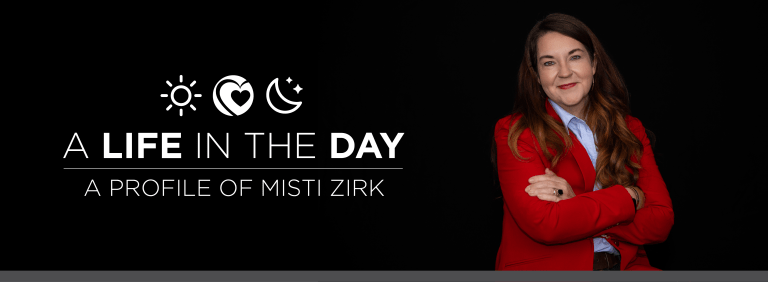
    Life in the Day: Susan Johnson

    A Lifelong Calling, My Journey into Senior Care.

    From a young age, I always had an interest in the older adult population. I wasn’t sure why, but even as a child, I knew in my heart that I wanted to dedicate my life to working with seniors. This passion guided me as I pursued my bachelor’s degree in social work, during which time I had the privilege of completing internships at adult daycare centers and hospitals in the Richmond area. These early experiences solidified my commitment to making a real difference in the lives of seniors and their families.

    Upon graduating, I embarked on a rewarding career that has taken me through various facets of senior care. I began in social work, transitioned into roles as a Marketing Director within skilled nursing facilities and assisted living communities, and later expanded my expertise through medical device sales. Each role deepened my understanding of the unique challenges faced by seniors and their families, equipping me with valuable tools to support them through life’s transitions.

    My journey has also brought me to the fields of home health and hospice care, where I’ve had the honor of helping families navigate complex and emotional journeys with compassion. Today, I am incredibly grateful to be part of the Care Advantage family, providing in-home care that allows clients to remain in the comfort of their own homes. There is nothing more rewarding than offering families peace of mind and ensuring their loved ones receive the highest quality of care in a familiar and loving environment.

    With years of knowledge and experience in this industry, I am privileged to help clients and their families explore options for aging in place, tailoring care to meet their unique needs. It is a true blessing to be part of this work and to support families during some of the most significant moments in their lives.

  • Tying Care Together

    Tying Care Together

    KEEPING UP WITH THE GUIDE MODEL

    Since November 2024, we have been hard at work facilitating the GUIDE model within our client base and are now actively receiving CMS vouchers for the program with more being approved every week. With the GUIDE model, Care Advantage clients may be eligible for 80 hours annually of free in-home care support services after evaluation. Keep reading to learn about the GUIDE model, who it impacts, and what our clients and clinicians have to say about it.

    The ‘Guiding an Improved Dementia Experience’ (GUIDE) Model is a pioneering program announced by the Centers for Medicare & Medicaid Services (CMS) designed to support caregivers and their loved ones navigating the dementia care journey. By offering free supplementary in-home care, the GUIDE Program’s respite voucher model offers in-home support tailored to ensuring comfort, safety, and dignity to our clients and offering peace of mind and rest to their caregivers.

    WHAT PATIENTS NEED TO KNOW:

    At Care Advantage Inc, we know that caring for a loved one with dementia is both rewarding and demanding. We are excited to be able to offer the GUIDE respite program which allows us to continue to provide compassionate care that supports your individual needs.

    The GUIDE Respite voucher offers 80 hours of respite care, specifically designed to support caregivers of individuals with dementia or dementia-like symptoms. Your hours can be used in flexible 4-hour increments, allowing you to take a break, recharge your batteries, and return with renewed energy while knowing we are providing tailored care for your loved ones.

    Respite care is important because it allows you to take time to care for yourself. Studies show that taking regular breaks improves caregiver well-being, reduces the risk of burnout, and allows you to continue providing the loving care your family member deserves, in the place they are most comfortable..

    Make sure to use your hours. Don’t save them for a rainy day! Preventative respite care decreases the risk of emergencies, slows cognitive decline, and reduces hospitalizations. Discuss your needs with your nurse and we can help you get your hours scheduled.

    WHAT PEOPLE HAVE TO SAY ABOUT THE GUIDE MODEL:

    “I think the GUIDE program is great because it connects experienced caregivers with some of our most at-risk clients and gives their families the confidence they need to take respite for themselves.

    I had a husband-and-wife couple that both got approved. When I told the daughter she was excited and couldn’t believe that both of her parents were approved, meaning she could step away knowing both of them would be cared for.”

    -Casey, RN in Fredericksburg

    “It’s a great resource to those in need of a great amount of assistance due to cognitive decline. It provides much-needed reprieve in a time that families struggle to find it. With our nurses’ help and the GUIDE program’s help we can keep these clients home longer where clients are happier!”

    -Micki, RN in South Boston

    GUIDE works with preferred partners like Care Advantage to personalize care plans and provide additional support for our clients. A team of caregivers can provide the patient with support to ensure that they receive the care that’s right for them. While the client’s family receives resources and information to help them support their loved ones, caregivers are supported by temporary relief care to keep them at their very best when they’re working.

    WHAT THE GUIDE MODEL CAN DO FOR YOU

    • Personalized care plans: Each patient receives a customized care plan based on their health needs, stage of dementia or cognitive impairment, personal preferences, and family/caregiver input. Care plans are regularly reviewed and updated as their cognitive and physical condition changes.
    • Peace of mind: Time for caregivers to step away and recharge their batteries, all while knowing that their loved ones are in capable hands. Taking time for yourself is essential for your own well-being. It reduces burnout and allows you to continue providing the loving care that your loved one deserves.
    • Enhanced care coordination: Seamless collaboration between healthcare providers to deliver exceptional care with the aim of reducing hospitalization rates and emergency department visits. This approach can delay or prevent unnecessary care transitions, keeping our clients at home and in their communities where they are most at ease.
    • Empowerment through education: GUIDE offers educational materials and workshops for families about dementia care, helping them understand disease progression and how to best support their loved ones.
    • Comprehensive support: The program offers assistance with adapting a client’s living environment for a dementia-friendly home, reducing confusion and accidents. Creating and training staff on emergency protocols specific to dementia care, including wander prevention plans, medical emergencies and managing behavioral crises.
    • Advance care planning: GUIDE helps document patient wishes for future care, ensuring their values and preferences are respected.
    • Respite for caregivers: Temporary relief is offered to caregivers, allowing them to rest and recharge, improving their ability to provide quality care.

    Thank you for trusting us to be part of your caregiving journey. We are thrilled to welcome GUIDE as the latest in our efforts to make your in-home care as easy and supportive as possible. Please reach out with any questions—we’re here to help.

  • Weathering the Winter

    Weathering the Winter

    Every year in the winter months, our Client Service teams see an increase in care inquiries from families. Holiday visits can be a wake-up call to declines in loved ones, highlighting the true hardships that older adults start to face regarding their health. You may have seen them struggling physically to complete tasks that they previously enjoyed doing with ease, or maybe you noticed a slight change in their emotional health. This can often be painful to see and may be even harder to address.

    Winter brings on additional layers of health concerns with the flu, Covid, norovirus, and other infectious outbreaks.

    The timing of these seasonal infections couldn’t be worse. Patients may be reluctant to go to follow-up appointments or even accept post-acute services in their homes because they were busy during the holidays, or now do not want to go out due to the cold or inclement weather. Non-compliance with medications and care plan items may have occurred while focusing on holiday fun.

    There may have been dietary indiscretions over the holidays – because who can say no to another piece of pie? Exposure to visiting friends and relatives increases the risks of those pesky infections. Older adults, or anyone who has recently been sick, likely experienced excessive fatigue and weakness from holiday plans during the “most wonderful time of the year.” Let’s face it, we all get tired, distracted, and a little non-compliant during the winter, but for patients who have chronic conditions like CHF, COPD, or diabetes, straying from their normal regimen can mean an increased risk for exacerbations, complications, and even hospital admissions.

    Whether you’re family of an older adult or a provider for patients or residents of a senior living community, it’s important to be able to recognize some of the warning signs of a winter downturn in health:

    1. Memory loss and forgetfulness: forgetting appointments or bills to be paid, repeating themselves, putting common objects in illogical places, forgetting to take medications at the correct times or in correct doses.
    2. Mobility issues: having problems walking or getting up from a chair, muscle or joint pain. Look at stairways, slippery floors, furniture obstacles, shower or tub thresholds.
    3. Eating issues: losing weight, becoming dehydrated, not cooking, forgetting to eat, unhealthy eating, loss of appetite. They may be having troubles cooking, reading recipes, holding utensils, operating a stove, or their sense of taste and smell may be impacted. Check the refrigerator for outdated items and make sure they’re drinking ample fluids to avoid dehydration.
    4. Detachment: low spirits, listless, lacking involvement in things like visiting friends or participating in community activities. Have their vision and hearing checked. And simply talk to them about this.
    5. Change in personal hygiene: not brushing teeth or combing hair, not going to the barber on a usual schedule, wearing the same clothing regularly, not bathing on a schedule. Talk to them as this can be a sign of physical problems, depression, or even dementia.
    6. Change in personality: talking too loudly or too softly, accusing people of doing things against them, wanting to check on children or displaying other odd behaviors. These may be common signs of sun-downing if the confusion is especially worse later in the day. Plan activities during the daytime to include sunlight exposure, keep a nightlight on to reduce agitation.
    7. Unusual clutter: dirty laundry, unopened mail, unkempt house especially kitchen and bathroom, unmowed lawn. Maybe home maintenance has become too much.
    8. Bruises, scratches, burns: these may be signs that there are balance and safety issues, and likely frequent falls.

    After being independent and self-sufficient for so long, it’s difficult for older adults to admit that they need help. But it’s important to communicate with them – whether it is a loved one, a patient, or a resident of a senior living community – to let them know why you are worried and that you want to help. Then come up with a plan together. Try to answer some difficult questions, such as how can we help? Can we reasonably and successfully handle it? Is it time to have outside help?

    Negative feelings are normal! You are going to have some guilt, frustration, sadness, and anxiety. For families, this change in dynamics can be very complicated. Understand that these intense emotions and thoughts are all completely normal! It is extremely difficult to suddenly take on the parent role for an older adult, especially a family member. Don’t avoid the situation, and surround yourself with lots of support. Move at your own pace and be sure to take care of yourself.

    Older adults may not be able to make too many decisions. A sad part of aging is that all that is left are choices about what to wear, what to eat for lunch, and how they can stay in their home or at their current level of care in a senior living community. It is important to acknowledge their fears regarding the future, and their disappointment with not being able to function independently. Let them know you understand how difficult this is. Empathize and let them share their sadness and frustration.

    Choose your words carefully. Avoid “you need to” or “you should” statements. Ask questions about how things are going, or how they feel about the fact that they’re falling more often. It will not put them on the defensive like saying “I know you’re falling a lot.” And the best one is “how can we work together to keep you safe?”

    Timing is everything! Don’t seize the moment in the emergency room to tell an older adult that they’ve fallen too many times and can’t live alone anymore. If your immediate reaction to news of an alarming incident is to make them feel that you are taking away their independence, they will fear telling you any important details about their health and safety, which could result in future incidents.

    Implement a course of action to help this older adult receive the support that they need with their declining health. Address the status of any insurance policies, legal documents, daily needs, finances, and most importantly, living arrangements. Are there changes that need to be made in the house? Is their current situation suitable? Making these plans is not going to be easy, but with a good plan and proper support, it is something that can and must happen to ensure the well-being of an aging senior.

    You do not have to take this responsibility on alone! In fact, you should be looking for outside help and support so that these older adults are taken care of in a positive manner. For family members it’s important that your own well-being is sufficiently maintained. If you are in a patient care role or in a resident care role, having that outside support is also important to ensure that your patient/resident is safe and well supported to alleviate hospital admissions. Care Advantage can help coordinate and delegate what older adults need, both long term and on a daily basis.

    If they want to stay in their home, discuss helping them evaluate what that would need to look like. Care Advantage exists for exactly this reason! Let the older adult be part of these conversations. Schedule a consult with our team, take a tour of some senior living communities. Look at various options to feel well planned for current living needs and for future considerations.

    During the winter, help ensure an older adult’s home is maintained, and that hazards are cleared around the house. Make sure that they are dressing appropriately for the bitter temperatures and inclement weather. Stock a rescue kit in their car or consider dedicated transportation, and make sure they know how to use a cell phone and how to keep it charged and turned on.

    This is a marathon, not a sprint. You won’t solve all issues over the course of one conversation. Do so in small chunks, revisit topics as needed, and set plans as you go. And be sure to celebrate wins along the way!

  • 10 out of 10: Heba Baldwin

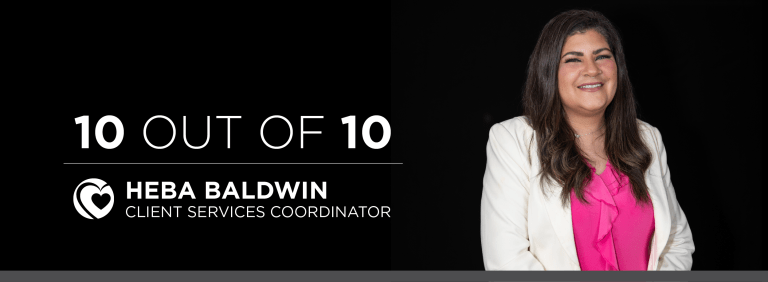
    10 out of 10: Heba Baldwin

    Meet Heba Baldwin, a Coordinator on our Client Services team at Care Advantage. As a Coordinator, Heba talks with our clients on the phone and face-to-face to make sure they have their needs met. We asked Heba to answer some questions about her personal and professional journey. Take a few moments to get to know Heba a little bit better through these 10 questions!

    In 20 words or less, describe your job.
    Helping clients get the care they need for their loved ones during their most stressful times.

    What is your favorite thing about your job?
    I love building a relationship with my clients and to not only be a sounding board for them while they’re trying to navigate through this unfamiliar and stressful time in their lives, but also being able to provide additional resources as well to truly give them a one of a kind experience.

    If you weren’t working here, what would you want to do?
    I would like to be a therapist—mental health and substance abuse both have a strong negative stigma associated with them and I don’t feel enough people have the resources they need to work through that.

    If you could invite 3 celebrities to dinner (living or deceased) who would you choose?
    Bradley Cooper, Jennifer Lawrence, and Freddie Mercury.

    What is something (either professionally or personally) that you are proud of?
    I am very proud that I went back to school in my late 30s.  It has definitely been a challenge but one that I don’t regret in the slightest.

    What is your favorite sport to watch and what team to you root for?
    I am an avid football fan (soccer). Being Egyptian, of course I root for them, but if I’m being honest, it’s Liverpool.

    What is one professional skill that you are working on?
    Time-management is my Achilles heel.

    Why did you choose to work for our company?
    I saw first-hand how well our caregivers take care of our clients and how well the company takes care of all of us.

    What motivates you at work?
    Helping our clients get the care they need for their loved ones and building that connection with them to become a trusted source of support.

    In ten words or less, what is the best advice you were ever given?
    Live in the moment because you don’t know what tomorrow will bring.

  • Life in the Day: Brad Whitacre

    Life in the Day: Brad Whitacre

    Growing up, it was instilled in my brothers and myself to respect our elders. Our childhood consisted of “yes ma’am,” “yes sir,” and many, many chores. In this way, being raised in a household that had vast respect for elders has helped me steer my professional journey. Throughout my career, I have worked in many different industries: medical devices, commercial moving, rigging, IT, hospice, and home care. Over many years of selling many different products and services, it became apparent that I needed to find a career where helping people was at the forefront.

    Prior to starting with Capital City Nurses and Care Advantage, I was a Representative for VITAS. Selling hospice and assisting families going through the most difficult times of their life was the most humbling experience of my own. It seemed like every day I was hearing about folks having a fall, which inevitably led to their hospice need. This led me to realize I needed to get into home care and educate my local communities about preventative, protective care.

    When I looked to jump into the home care world, I researched many different agencies and was drawn to Care Advantage; I found that their mission, values, and leadership aligned closely with my own. After earning this opportunity to be a part of such a reputable organization, it was humbling to meet several caregivers that have been employed with our company for so many years. This March will mark four years that I have been fortunate enough to be a part of this team and organization. I am truly grateful and honored to be a part of something that helps so many people.

    All of the teams at Care Advantage and Capital City Nurses strive to provide quality care services to local communities. Each person has their own reason for giving their all; for instance, I work hard to make my wife and children proud. My wife began her career with her previous company way back in October 2009 as a Recruiter, and over the years worked her way up to Chief People Officer. She recently went out on her own as a consultant. I couldn’t be more proud of her and the amount of success she has had throughout her career. She drives me to excel at my career and I truly admire her many achievements.

    When it comes to my children, I want them to be surrounded by parents that work very hard with their careers and help people, to inspire them to find careers that they are passionate about as well. I want to encourage my children that finding a career is more than finding a paycheck; finding a career is finding something that you are passionate about and fulfills your goals.

    When my career is over and I retire, I won’t reflect on any financial accomplishments, but the personal ones. At the end of the day, I want to help as many people as I can for as long as I am granted the opportunity.

  • Essential Self-Care Tips for Seniors in Alexandria, VA

    Essential Self-Care Tips for Seniors in Alexandria, VA

    Our team at Capital City Nurses understands the importance of providing top-notch senior care services for Alexandria, VA. We are excited to share valuable insights on essential self-care tips for seniors in our community. Taking care of our elderly loved ones is a priority, and we are here to offer the skilled nursing services, home care assistance, and emotional support needed to ensure their well-being.

    Navigating Senior Care Services in Alexandria, VA: Understanding Your Options

    When it comes to home care assistance in Alexandria, VA, it is crucial to explore the available options to find the best fit for your love done. Capital City Nurses specializes in providing tailored solutions that prioritize the emotional and physical care of seniors.

    The Importance of Home Care Assistance in Alexandria, VA: Enhancing Seniors’ Well-being

    At Capital CityNurses, we believe that home care assistance plays a vital role in enhancing seniors’ well-being. Our dedicated team ensures that seniors receive the necessary medication management, companionship care, and emotional support to thrive in the comfort of their homes.

    Self-Care Tips for Senior’s Well-being in Alexandria, VA

    Prioritizing physical activity is crucial for enhancing the overall health and mobility of seniors. Encouraging them to stay active through various physical exercises can lead to significant improvements in their well-being.

    Alongside physical activity, it is vital to focus on healthy eating habits and proper medication management. These aspects are fundamental in senior care, ensuring they receive the nutrients their bodies need while effectively managing their medical conditions.

    In addition, to physical health, promoting mindfulness and relaxation techniques plays a significant role in improving seniors’ mental well-being. These practices help them manage stress more effectively, contributing to a more balanced and peaceful state of mind.

    Furthermore, staying socially connected is paramount for the emotional well-being of seniors. Encouraging them to engage in social interactions and foster connections within their community can greatly enhance their quality of life by preventing feelings of isolation and loneliness.

    Skilled Nursing Services: Vital Support for Seniors and Elderly in In-Home Care

    Our skilled nursing services in Alexandria, VA provide vital support for seniors who require specialized medical care and attention. We ensure that seniors receive the highest level of care from our experienced and compassionate nursing team.

    Companion Care Services: Fostering Companionship and Comfort for Seniors in Alexandria, VA

    Companion care services at Capital City Nurses focus on fostering companionship and comfort for seniors. Our caregivers provide emotional support, companionship, and assistance with daily tasks to ensure seniors feel cared for and valued.

    Specialized Support for Alzheimer’s and Dementia Care

    For seniors living with Alzheimer’s or dementia, our specialized support services offer tailored care plans designed to meet their unique needs. We provide compassionate care and emotional support to help seniors maintain their quality of life.

    In-Home Care Services: Tailored Solutions for Seniors in Alexandria, VA

    Our in-home healthcare services in Alexandria, VA are customized to meet the individual needs of seniors. We prioritize the safety, well-being, and independence of each senior under our care, ensuring they receive the support they need to live comfortably at home.

    If you are looking for comprehensive senior home care in Alexandria, VA, reach out to Capital City Nurses. Contact us today to schedule a consultation or appointment, or visit our contact page for more information on how we can support your loved one’s well-being.

  • Life in the Day: Brad Whitacre

    Life in the Day: Brad Whitacre

    Growing up, it was instilled in my brothers and myself to respect our elders. Our childhood consisted of “yes ma’am,” “yes sir,” and many, many chores. In this way, being raised in a household that had vast respect for elders has helped me steer my professional journey. Throughout my career, I have worked in many different industries: medical devices, commercial moving, rigging, IT, hospice, and home care. Over many years of selling many different products and services, it became apparent that I needed to find a career where helping people was at the forefront.

    Prior to starting with Capital City Nurses and Care Advantage, I was a Representative for VITAS. Selling hospice and assisting families going through the most difficult times of their life was the most humbling experience of my own. It seemed like every day I was hearing about folks having a fall, which inevitably led to their hospice need. This led me to realize I needed to get into home care and educate my local communities about preventative, protective care.

    When I looked to jump into the home care world, I researched many different agencies and was drawn to Care Advantage; I found that their mission, values, and leadership aligned closely with my own. After earning this opportunity to be a part of such a reputable organization, it was humbling to meet several caregivers that have been employed with our company for so many years. This March will mark four years that I have been fortunate enough to be a part of this team and organization. I am truly grateful and honored to be a part of something that helps so many people.

    All of the teams at Care Advantage and Capital City Nurses strive to provide quality care services to local communities. Each person has their own reason for giving their all; for instance, I work hard to make my wife and children proud. My wife began her career with her previous company way back in October 2009 as a Recruiter, and over the years worked her way up to Chief People Officer. She recently went out on her own as a consultant. I couldn’t be more proud of her and the amount of success she has had throughout her career. She drives me to excel at my career and I truly admire her many achievements.

    When it comes to my children, I want them to be surrounded by parents that work very hard with their careers and help people, to inspire them to find careers that they are passionate about as well. I want to encourage my children that finding a career is more than finding a paycheck; finding a career is finding something that you are passionate about and fulfills your goals.

    When my career is over and I retire, I won’t reflect on any financial accomplishments, but the personal ones. At the end of the day, I want to help as many people as I can for as long as I am granted the opportunity.

  • AlayaCare: Tailored to Your Needs

    AlayaCare: Tailored to Your Needs

    This month, we formally announced our partnership with AlayaCare, a global technology platform for home and community-based care. The move to AlayaCare underscores our commitment to innovation and excellence in home care, ensuring that clients and their families receive the best care and support possible.

    Featuring tools for easy communication, data sharing, and care management, AlayaCare has been voted one of the best caregiver apps in home care software. We are excited to continue using AlayaCare to provide our clients with flexibility, customizability, and the highest level of care we can provide. AlayaCare is useful for both referral sources and clients, boasting features such as:

    For Referral Sources

    • Immediate intake and referral process
    • Real-time updates and built-in patient reports including progress and KPIs
    • Easy information sharing between patient and care provider—clients can give care providers access to their Family Portal
    • Automated repetitive referral tasks protect against manual errors
    • Stores data such as medication and treatment plans to ensure your patient has their needs met
    • Simple visit verification for peace of mind and ease of use
    • Superb matching of caregiver skills to client needs

    For Clients

    • Request new services directly from the app as singular or recurring visits
    • Perform self-assessments and complete forms within the portal
    • Matches client needs to caregiver qualifications
    • Proprietary communication system to ensure swift and secure messaging 
    • Easy calendar access
  • What the Holidays Mean for Older Adults

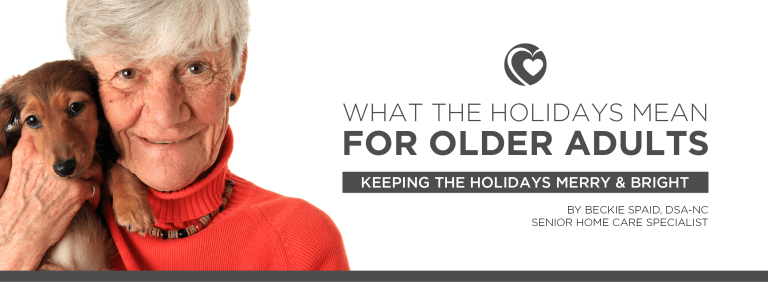
    What the Holidays Mean for Older Adults

    It’s the most wonderful stressful time of the year!

    Even though we have happy memories of holiday celebrations, the actual holiday season often winds up being stressful. The expectation that everyone be cheerful can be especially tough for older adults who used to be in charge of making the holidays merry, and who may have had a change in circumstances making things anything but.

    According to the National Institute of Mental Health, socially isolated older adults are at a higher risk of depression. The focus on family, friends and togetherness during this time of year can actually bring melancholy feelings to the forefront for many. It’s more important than ever to be supportive of and attentive to our loved ones, but in ways that keep everyone as healthy and safe as possible.

    While you are likely busy with your own holiday plans and traditions, now is an important time to remember what the holiday season is truly about! If you believe that an aging parent, friend or neighbor may be lonely or depressed, make an effort to help lift their spirits!

    • Deliver hot chocolate, mulled cider or eggnog and cookies.
    • Play or sing holiday music to set a festive mood.
    • Encourage children, grandchildren and aging loved ones to do things together like baking treats, reminiscing over photos, singing Christmas carols, or holiday crafts.
    • Dig out the treasured holiday ornaments of your older family members. Talk about each piece with them as they are taken out.
    • If they cannot actively participate in decorating the home, ask them where they would prefer a certain piece to be placed. This is especially important for people who are confined to a certain space. Prioritize their favorite items by where they can be seen and most enjoyed.
    • Help with holiday cards or letters.
    • Be on the lookout for cards or other correspondence they receive that might come bearing news of illness or passing of friends or loved ones. There’s no obligation to protect an older adult from reality, but it is important to manage the news and keep an eye out for signs of depression. Offer support if there’s a funeral they wish to attend or a visit with a friend.
    • Start hosting the meals and have them join or take the celebration to them. Reducing their workload can help them better appreciate the time together.
    • Help them with their holiday shopping. If their abilities are limited, offer to shop for them or help them with online purchases.
    • Wrap presents together.
    • Encourage your older loved ones to share their stories of holidays past. Passing on memories is a great way to bring families together!
    • Dress for the occasion! Does your older loved one enjoy holiday clothes, festive sweaters, fuzzy socks, creative jewelry? Bring them out in stages to keep them feeling as if something fun and new is always arriving.
    • For really large gatherings, consider using name tags. I personally find this helpful, and your aging loved ones will really appreciate it!

    Along with the normal stresses of the holidays, this season is also often a time when families realize that an older loved one has significantly declined. If it has been some months since you last saw this person, it could be alarming! And this could indicate a need for more care or support.

    Here are some “red flags” to look for:

    • Changes in their home environment. Do you see scorched cookware, spoiled food in the fridge, or the space being less organized?
    • Sudden weight loss or gain. Is your loved one showing signs of health-related issues, mobility loss, decrease in appetite?
    • Unpaid bills. Is your loved one forgetting about routine tasks like making payments regularly? Are they showing signs of memory loss or could there be financial strain?
    • Physical frailty. Is this older adult having trouble with day-to-day movement such as climbing stairs? Do they lack balance while walking? Are they falling frequently?
    • Mood changes. Anxiety, depression or hyperactivity can indicate a medication problem or general decline in well-being. Gently discuss what might be bothering them to see how to provide support.
    • Medication misuse. This is probably one of the top reasons I get calls for help with aging loved ones! Is an older adult forgetting to take medications, or doubling up because they forget dosing?

    Try not to be patronizing when checking on them! It is important to protect the dignity of our loved ones and remember that they are entitled to live however they desire as long as it is SAFE. They may feel embarrassed or self-conscious about their decline. They may know they’re hoarding, forgetting to take their medicine, or falling a lot – but are trying to hide it.

    This is where adding in help from Care Advantage can make the difference! Instead of you taking on the role of “parent” or getting caught in arguments with your loved one about them living alone, we can take that off your plate by keeping them safe at home. And as that third party expert, your loved one may be more inclined to listen to our care advice. I experienced it first-hand with my own parents—you might find your loved ones value a second opinion.

    We can help older adults with decorating for the holidays, handling mail, baking, shopping, gift wrapping, and more! But more importantly, we help alleviate hospital readmissions with falls prevention and ensuring compliance with nutrition, medications, hydration, and exercises. We are there to help them maintain their independence in the way they want – aging in place wherever home may be!

    If you have noticed a decline in a loved one – or if you have a patient or resident who this article has made you think of – reach out to us to learn more and see how we can make the holidays much brighter for everyone!