Author: admin

  • 10 out of 10: Tiffany McRae

    10 out of 10: Tiffany McRae

    Meet Tiffany McRae, a Coordinator on our Client Services team. As a Coordinator, Tiffany helps assess our clients’ needs and makes sure they get the care they deserve. We asked Tiffany to answer a few questions about herself and her role in the company. Take a few moments to get to know Tiffany a little bit better through these 10 questions!

    In 20 words or less, describe your job.
    I assist prospects that need in-home care services upon discharge or in general in the home, facility etc.

    What is your favorite thing about your job?
    My favorite part about my job is helping others and talking! I love to engage in conversation and hear what others are thinking and how they feel.

    In 20 words or less, why did you choose to work for our company?
    To be able to assist families who have no other resources and no other help is so rewarding.

    In 20 words or less, what are the top 3 reasons you would recommend our company to others (to work for or to receive services)?
    Compassion, empathy and ability to meet the needs of our customers!

    What motivates you at work?
    My family! Definitely my kids and husband! They are everything to me!

    In ten words or less, what profession, other than your current, would you choose to do and why?
    I would love to own a Daycare for kids ages 3-18. I grew up in the boys and girls club and it had a great impact on who I am today! I love working with children and helping them succeed in life.

    Who or what has influenced you the most in your professional career?
    My faith in God has gotten me through and watching my mom as a single parent work so hard, there’s no way I can’t have the same motivation!

    In ten words or less, what is the best advice you were ever given?
    Pay my bills on time!

    What is one professional skill that you are working on?
    I am currently working on working smarter and not harder! I get things done more accurately when I take my time and manage verses trying to rush and making a mistake.

    If you could add one thing to the company office, what would it be?
    More team building activities! I think once every quarter would be amazing for the team to come together, engage, eat lunch and grow together professionally!

  • Partnering & Providing – The Guide Model

    Partnering & Providing – The Guide Model

    Dementia affects more than 7 million Americans today, and this disease takes a serious toll on people that suffer from the disease and those that look after them. That’s why we are so proud to be partnering with At Home Harmony in offering the opportunity to be evaluated for the GUIDE program, and potentially be eligible for 80 hours annually of free in-home care support services.

    The ‘Guiding an Improved Dementia Experience’ (GUIDE) Model is a pioneering program announced by the Centers for Medicare & Medicaid Services (CMS) designed to support people living with dementia and their caregivers. The goal is to improve the quality of life for those affected by dementia, and/or easing the burden on their caregivers.

    The Guide model offers:

    • Personalized care plans: Each patient receives a custom care plan based on their health needs and preferences, regularly reviewed and updated as their condition changes.
    • Reducing the caregiver’s burden: Relief for families dealing with the stresses of caregiving, including decreased depression and unmet needs. Respite services, when used consistently, help caregivers continue providing care at home.
    • Enhanced care coordination: Seamless collaboration between healthcare providers, potentially reducing hospitalization rates and emergency department visits. This approach can delay or prevent unnecessary care transitions.
    • Empowerment through education: Resources that help families make informed decisions, improving clinical documentation and enabling people with dementia to remain in their homes and communities longer.
    • Comprehensive support: Our program aims to improve quality of life for people with dementia while reducing strain on unpaid caregivers, ultimately postponing the need for facility care.
    • Advance care planning:  GUIDE helps document patient wishes for future care, ensuring their values and preferences are respected.
    • Respite for caregivers: Temporary relief is offered to caregivers, allowing them to rest and recharge, improving their ability to provide quality care.

    GUIDE does this by working with preferred partners like Care Advantage to personalize care plans and provide additional support for our clients. A team of caregivers can provide the patient with support to ensure that they receive the care that’s right for them. While the client’s family receives resources and information to help them provide the very best of care for their relative’s specific needs and symptoms, caregivers are supported by temporary relief care to keep them at their very best when they’re working.

    Get started now; contact your local office today.

  • Life in the Day: Misti Zirk

    Life in the Day: Misti Zirk

    When I look back on my journey into caregiving, I’m struck by how deeply it’s intertwined with the people I’ve loved. Caregiving didn’t simply begin with a career choice; it was born out of the close, cherished moments that I’ve endured from caring for members of my family. Looking back, I’ve had the privilege and honor to care for all of the important men in my life—my grandfathers, my dad, and my husband.  My earliest memories of caregiving date back to my grandfather, a man whose legacy and wisdom continue to inspire every aspect of my work at Care Advantage. My journey has shown me that caregiving is much more than providing assistance—it’s about nurturing dignity, sharing joy, and bringing comfort during some of life’s most tender moments. Today, I’m proud to honor that legacy and carry it forward through my work.

    My caregiving journey truly began with my paternal grandfather, a man whose life spanned from horse-drawn carriages to the dawn of space exploration. Born in 1903, he was a living bridge between eras, embodying resilience, humor, and a timeless wisdom that captivated our family. As a child, caring for him during my school years was as natural as breathing, a way to express my gratitude for the countless lessons he shared. Far from slowing down or withdrawing with age, he challenged every stereotype, filling our lives with stories of survival, innovation, and laughter. Growing old, he taught me that aging was not about fading away, but rather about embracing new depths of growth, wisdom, and connection. His presence laid the foundation for what I wanted to do with my life, even if I didn’t yet know how to put it into words. Those formative experiences created a lifelong commitment to helping older adults, to honoring their stories, and to preserving their dignity. My grandfather taught me that aging could be a beautiful process if met with respect and compassion, and that has remained the cornerstone of my approach to caregiving.

    Subsequently, I had to care for my father at the same time I was caring for my grandfather. While caring for my father, I was introduced to the world of professional caregiving in a profound way. During my father’s hospice care, I met Karen Reynolds Gill, a social worker with Crater Community Hospice. Her kindness and gentle support were life-changing for my family and me during such a vulnerable time. Karen’s compassion gave me the “Ah-ha” moment I needed—I wanted to be a social worker. I knew then that this was more than a job; it was my calling, one where I could bring comfort, clarity, and dignity to families just as Karen had done for mine.

    After my father’s passing, I found solace spending time with my grandfather, whose wit and wisdom provided a comforting reminder of what truly matters in life. He continued to teach me lessons no classroom ever could, showing me that human connection is at the heart of healing and growth. I resolved to carry his spirit of joy and respect into every aspect of my work, ensuring that every older adult I encountered felt valued, understood, and cared for.

    With my college degree in hand, I began my career as a social worker in a skilled nursing facility, where I discovered how fulfilling it could be to help families navigate complex healthcare needs. I wanted to make sure each client felt that, despite the challenges, they were not alone. Soon after, I pursued my education further and became an executive director of an assisted living facility, where my focus was on empowering residents. We broke away from traditional views of “assisted living” to create programs that embraced each resident’s potential for growth and joy. Together, we redefined this chapter of life not as a “final stop” but as a new beginning—a place to thrive, connect, laugh and continue living with purpose.

    I was drawn to Care Advantage because of its commitment to values that my grandfather embodied: Care, Attitude, Respect, and Excellence. These principles align deeply with the legacy he left me, and my dedication to treating every client as if they were family. At Care Advantage, I can offer the kind of compassionate, thoughtful care that makes a tangible difference in people’s lives. I feel my grandfather’s spirit with me each time I listen to a client’s story, guide a family through a difficult decision, or share a moment of laughter. His memory drives me to bring empathy, respect, and a sense of purpose to every interaction.

    Working at Care Advantage is more than a profession; it’s a deeply personal mission. Each person we care for is someone’s loved one, just as my grandfather was to me. The knowledge that I can help a family feel supported, help a referral source understand the need that we can bring a trusted professional in to help someone feel seen, stay safe and home and feel cherished, brings me profound fulfillment. As I continue this path, I am reminded daily of the wisdom my grandfather passed down, and I am honored to carry it forward.

    My journey with Care Advantage Home Care started long ago, in my grandfather’s living room, with his cat Rambo purring at my feet and his stories filling my heart. Today, I am part of a team that shares my dedication to dignified, compassionate care, working to make each client’s life a little brighter, helping to bring the “Ah-ha” moment to everyone we encounter, professional referrers and clients alike—ultimately making our client’s and their family’s journey a little smoother, and our referrer’s life a little easier by bringing a true solution in keeping our elders safe within their own home, surrounded by their memories. Being at Care Advantage isn’t just a job—it’s my calling. It is a way to honor the love and lessons my grandfather shared with me, to serve others as he taught me, and to give back in ways I never imagined possible.

    Each day I am grateful to continue this journey, honoring my grandfather’s legacy and making a meaningful difference for the families we serve. What I do is not just a profession; it’s a profound, rewarding journey of empathy, connection, and love—one that I am privileged to walk each day.

  • Recognizing National Home Care and Hospice Month

    Recognizing National Home Care and Hospice Month

    November is National Care at Home Month! It has also been known as Home Care, Hospice and Palliative Care Month, but National Care at Home Month came about to recognize our entire care-at-home community. It is a month to honor all professionals who work in the broad field of home healthcare. These at-home services include home health, personal care (also known as home care), hospice care, and palliative care. The professionals making these services possible range from physicians, nurses and personal care aides to social workers, physical therapists and so much more.

    As seniors choose to age in place, their home becomes their sanctuary. At-home services are not just convenient—they’re a lifeline for those in need! From chronic care to post-surgery support and wound management, the home healthcare continuum ensures comfort and healing in the familiar surroundings of home. These services not only ensure dignity and comfort, but also provide invaluable emotional and practical support, empowering these patients to live comfortably and safely.

    Let’s take a look at each discipline within the home healthcare continuum.

    The term “home health” includes a wide range of healthcare services that can be provided in the home to treat an illness or injury. Home healthcare is usually less expensive, more convenient, and just as effective as care you receive in a hospital or skilled nursing facility. In fact, patients typically experience better recovery at home with fewer hospital admissions. There are no truer words than “there’s no place like home!”

    Hopefully I do not need to provide much overview on personal care since that’s what Care Advantage does. You all should know what we do, right? A few key reminders: we can provide 24-hour care wherever a patient calls home; we work alongside home health, palliative, and hospice care teams; we help with all ADLs, IADLs and so much more; we are the missing link for many older patients who live alone, have a history of emergency room visits, and are at a high risk of falling. And let’s not forget that Care Advantage continues to do this with accessibility, affordability, and award-winning care!

    So, let’s dive into home health, palliative care and hospice care, as these are often misunderstood.

    Home Health care can be provided to patients in the home if they need part-time or intermittent skilled services and are homebound. This means that leaving the home is not recommended due to a patient’s condition, the patient is unable to leave your home because it is a major effort, and/or the patient is simply too ill or injured to leave home.

    Home Health can provide physical therapy, occupational therapy, speech therapy, wound care, patient and family education, intravenous or nutritional therapy, injections, monitoring of serious illness, durable medical equipment, and medical social services. A doctor or other health care provider (like a nurse practitioner) must assess a patient face-to-face to order Home Health services.

    Palliative care assists patients with serious, complex and terminal illnesses, such as cancer, heart failure or chronic lung disease, helping them stay at home. They will also assist with life-prolonging curative treatments, such as chemotherapy, radiation, or even physical and occupational therapy, that continue to improve the patient’s quality of life. Palliative can also assist in managing symptoms like shortness of breath, pain, depression, anxiety, constipation, nausea, and loss of appetite. The palliative team will work with the patient’s current medical team and assist with providing resources and equipment.

    Hospice helps patients live out their remaining days with the best quality of life, helps them achieve lifelong goals, and helps to manage their symptoms. Hospice care helps patients with advanced, life-limiting illnesses. When the patient has decided with their doctor that there are no other curative options and they want to focus on quality vs. quantity of life, they can accept hospice services at any time. Hospice care provides any medications, supplies and equipment needed to provide relief of symptoms and improve quality of life—all while avoiding hospitalization for the patient. 

    Hospice has honestly been overlooked by far too many families as an incredible late-life benefit for their loved one. Many people put off hospice care until it’s too late. My own family did the same, and I have major regrets for not having my mom enrolled in the program sooner. I have learned so much about hospice and the entire home healthcare continuum during my tenure with Care Advantage, my only wish is that I could go back and do things differently for both of my parents. But you don’t know what you don’t know! My calling now is to help guide other families in the ways I wish my family had been.

    I will close with this: the home healthcare continuum is not only there to provide care in the home for patients, but it supports the family because we recognize that they are struggling too. When a patient receives a diagnosis, the whole family is impacted. Take advantage of the services that are available to keep patients where they want to be, and to take the burden off of families! There is nothing more important than spending quality time with a loved one, so do  not allow yourself to be tied up in the minutia that someone else can handle. It will be there for you one day when your loved one is not.

  • Recognizing Veterans Day – Remember & Honor

    Recognizing Veterans Day – Remember & Honor

    I knew the purpose of Veterans Day but I did not know the full history of how it came to be. As the saying goes, “I was today year’s old when …” And maybe you are in the same boat!

    The Treaty of Versailles, signed on June 28, 1919 officially ended the Great War, aka World War I. Fighting had actually ended seven months earlier when an armistice was declared on the eleventh hour of the eleventh day of the eleventh month. Thus, November 11, 1918 became known as “the war to end all wars.”

    November 11th was proclaimed Armistice Day by President Wilson in November 1919. “To us in America, the reflection of Armistice Day will be filled with solemn pride in the heroism of those who died in the country’s service and with gratitude for the victory, both because of the thing from which it has freed us and because of the opportunity it has given America to show her sympathy with peace and justice in the councils of the nations…”

    After World War II required the greatest mobilization of soldiers, sailors, Marines, and airmen in our Nation’s history, and after American forces had fought aggression in Korea, the 83rd Congress amended the Act of 1938 and changed Armistice Day to Veterans Day. November 11th then became a day to honor American Veterans of ALL wars.

    Veterans Day continues to be observed on November 11th, regardless of what day of the week it falls. In our history, there was a time when Veteran’s Day was observed on the closest Monday in hopes of people traveling and increasing tourism revenue with the three-day weekend. Revising the observance of Veterans Day back to November 11th preserves the historical significance of the date and focuses attention on the important purpose of Veterans Day: A celebration to honor America’s veterans for their patriotism, love of country, and willingness to serve and sacrifice for the common good.

    We owe our veterans so much!

    In my role with Care Advantage, I am honored to work with both the Salem Veterans Affairs Medical Center but also the Virginia Veterans Care Center. I get a little teary eyed every time I am at either facility, seeing so many of our retired veterans still proudly wearing the hat of their military branch. I love talking to these men. So many of them remind me of my daddy, who was a Marine during the Korean Conflict. Semper Fi!

    This year, I was honored to be part of the Veterans Day Ceremony at Harmony Senior Living. We had veterans representing WWII, Korea, and Vietnam. There was not a dry eye in the place, but when I started tearing up as I placed a USA flag pin on their chests, they each said something to make me laugh. These veterans are simply incredible!

    Care Advantage serves nearly 900 veterans. Wow! Not only do we have the honor of providing care for these veterans with our contract with the V.A., but we also have a partnership with Veterans Care Coordination that allows us to make referrals for veterans or surviving spouses to help determine eligibility for the Aid & Attendance Pension and expedite activation of those benefits if qualified. This pension makes it easier for veterans and their spouses to age in place at home.

    While Veterans Day is dedicated to honoring the sacrifice and service of those who have fought for our freedom, this is a day for Care Advantage to celebrate our veteran clients and acknowledge their contributions to the nation. We are indeed honored to support aging wartime veterans!

    The care we provide to Veterans goes beyond physical and medical support. It also includes emotional care, community connection, and honoring the legacy and service of those who have fought for our freedom. It is not just about us helping them maintain proper nutrition and medication schedules, assisting with their bathing or exercises, handling laundry or housekeeping, or taking them places. Our services strengthen their connection to the community, ensuring these honored veterans feel remembered, appreciated and respected.

    Join me in saying “thank you for your service!” to all of our veterans! We enjoy so many freedoms because of their selfless sacrifices!

  • Care Advantage Showed Up for The American Heart Association Heart Walk 2024

    Care Advantage Showed Up for The American Heart Association Heart Walk 2024

    We had an exciting morning on Saturday, October 19th for the American Heart Association 2024 Heart Walk! All of our fundraising and events have been pointing to the Heart Walk and we were so excited that everyone came together for it. The Sea of Pink made a second splash with our pink hats and pom-poms! We had 93 walkers registered for this event, which is massive! Any and every way that people chipped in to this event was not unnoticed, and we appreciate everyone for participating.

    It takes a village to get the kind of momentum that we built for this event, as always, our leader and CEO Tim Hanold was a huge contributor throughout this season. Fundraising doesn’t happen on its own which is why we would like to thank Ariane Burns who was named a Top Walker, Bonnie Kessler who recruited an incredible 44 walkers, Cathy Dancy, Raine Grey, and our AHA Steering committee for play huge roles to get this all pulled together.

  • Tim Hanold, CEO: Chair for BMAS

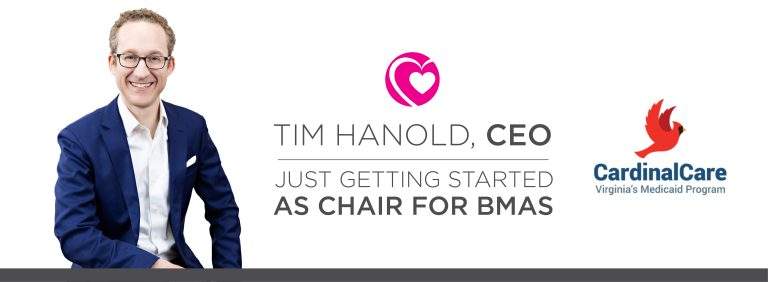
    Tim Hanold, CEO: Chair for BMAS

    Since joining Care Advantage, Inc. our CEO, Tim Hanold has been steadfast in his commitment to population health and ensuring that all those who need care receive it in the communities we serve.

    Last month, Tim took on his new role as Chairman of the Board of Medical Assistance Services in Virginia. He explained how proud, passionate, and excited he was about his new position.

    “I am delighted and honored to take on this role. The opportunity to collaborate with other industry leaders, gather insights from different perspectives, and tap into their expertise is a process I value greatly. As a collective, we are committed to improving the health and well-being of Virginians through access to high-quality health care coverage and services. I look forward to forming closer relationships with my peers and partner organizations to continue to bring a person-centered healthcare experience to the people of Virginia.”

  • Case Management Week 2024: You’ve Got The Power!

    Case Management Week 2024: You’ve Got The Power!

    Case Management Week is being celebrated this year from October 13th to 19th! According to Google, the definition of Case Managers: healthcare professionals who serve as patient advocates, supporting, guiding, and coordinating care for patients, families and caregivers as they navigate their health and wellness journeys. They serve as the center of communication, connecting individuals/caregivers with members of the healthcare team and community to impact acute and chronic disease management and improve population health.

    The Case Management Society of America (CMSA) says that Case Managers are “recognized experts and vital participants in the care coordination team who empower people to understand and access quality, efficient health care.” What a powerful statement!

    Case Managers are the key to assisting clients navigate complex situations. They meet challenges head on, assist in connecting resources, identify potential issues, and collaborate with other healthcare providers to meet a client’s needs. And Case Management Week is a celebration of all of that!

    The first Case Management Week was celebrated in 1999 and has since been an annual observance, recognizing the critical work these people do in advocating for patients, coordinating care, and ensuring access to essential healthcare resources. This is a pivotal role in improving patient outcomes, reducing hospital readmissions, and managing complex care transitions. Over the years, “Encouraging, Engaging and Empowering” has been a primary theme.

    The 2024 theme is Powering the Future of Healthcare. “The future of healthcare lies in the successful merger of human empathy and cutting-edge technology.” Case Managers equipped with these tools can do more than ever before, transforming the landscape of patient care. How will this be achieved?

    • Using Sentiment Scoring: Through analyzing tone and content of interactions, sentiment scoring helps ensure patients feel heard, understood and cared for. This sets a positive foundation for the recovery journey, but also helps identify other areas for improvement.
    • Creating Efficiencies through AI Tools: Using AI to sift through vast amounts of documentation and highlight words or phrases that indicate potential risks allows Case Managers to focus their attention and resources on these cases.
    • AI-assisted Multilingual Calls: This system eliminates the obstacle of language barriers with real-time translation services enhancing the client’s experience and increasing the Case Manager’s efficiency.
    • Mitigating Psychosocial Barriers: AI-powered mental health apps provide anonymous support to patients via a Chat Bot and self-guided cognitive behavioral therapy exercises.

    I have the privilege of working with many Case Managers every day! You can find them at hospitals, health insurance companies, medical offices, mental health offices, outpatient clinics, doctor’s offices, rehabilitation facilities, and almost anywhere you might receive care. When Case Managers help patients discharge home, they assign agencies that provide services in the home such as personal care by Care Advantage, home health, palliative care, hospice care, medical equipment, and much more.

    If you or a loved one need help, all you need to do is ask to speak with a Case Manager! In some settings, the title may differ, but the duties are the same. They are there to help you!

    Join me in saying THANK YOU to Case Managers for the important, and often under-appreciated, work that they do!

  • A Life In the Day of Amy Hedger

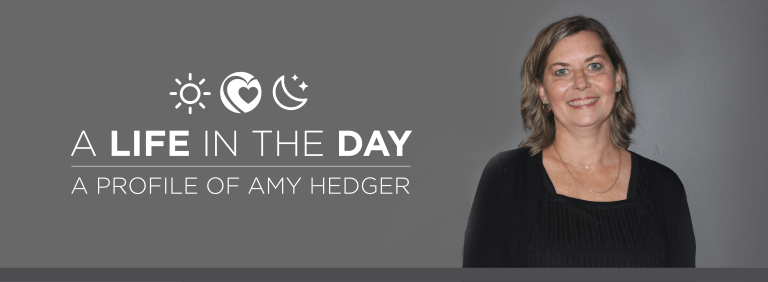
    A Life In the Day of Amy Hedger

    I truly feel that where I am now is a culmination of all my career and personal experiences, blending together for a calling that feels very genuine. Believe it or not, I started my career as a health teacher. Over the years, I’ve worked as a pharmaceutical sales rep, sold clinical devices to hospitals, and spent time in skilled sales. I also worked in public relations at a hospital in Berlin, MD. On the personal side, like many who are drawn to home care, I had experienced the need for these services firsthand. My family and I have gone through the process of receiving an Alzheimer’s diagnosis, among other challenges, and have had to come together to make difficult plans we never anticipated.

    Because of my career path and personal life, transitioning into homecare sales felt like the most natural fit for me.

    Last year, I took some time to reflect on my schedule and all the “windshield time” I was spending driving. I asked myself, how can I be more effective and efficient with my routes? So, I started asking my accounts a simple question: When during the week is the best time for me to visit? This opened up a great dialogue about what they truly needed from me, while also giving them the assurance that I’d be there at least once a week. I used this approach across my accounts until I was able to create a more efficient routing plan that minimized time on the road and maximized my impact.

    What I think is really important is showing your accounts that you’re not just “a rep stopping by,” but a genuine solution to some of the challenges they face each week. A good rep knows their market and uses that knowledge to benefit their referral partners. I’m often asked, “Do you know someone who does [X]?” and by staying well-connected and informed, I’ve been able to become a trusted resource for my partners.

    When I’m not out helping connect people with the best possible care, I’m usually spending time with my husband, our two adult sons, and our household full of pets!

  • Falls Prevention Blog by Beckie Spaid

    Falls Prevention Blog by Beckie Spaid

    September is Falls Prevention Month, and this is one of my favorite subjects. As you may have read recently, I lost my father in 2014 as a result of a fall. So, while most people think “oh, it’s just a fall,” they are not realizing that a seemingly simple fall can lead to devastating consequences.

    If you or an older adult in your life has fallen, you’re not alone. More than one in four people aged 65 or older fall each year. The risk of falling, and fall-related problems, rises with age. In fact, the Centers for Disease Control and Prevention has pegged falling as the leading cause of injury and death among adults age 65 and older.

    We fall when an event challenges either our balance or our strength. When we’re young and healthy, we tend to have a better ability to stay upright. Meaning that if we stumble, we can often catch ourselves and recover without fully falling. But even then, a big enough knock off balance will send anyone of any age sprawling. There’s just a less likely chance of it causing severe injury or being life-threatening. The opposite is true as we age, and hip fractures are one of the most devastating injuries to older adults. Illness or weakness reduces anyone’s ability to stay upright, also regardless of age. This is why so many falls actually happen in hospitals! We all underestimate the power of sickness, even in ourselves.

    Many older adults fear falling, even if they haven’t fallen before. This fear may lead them to avoid activities such as walking, shopping, or even taking part in social activities. This can create a downward spiral where they become less socially engaged, experience more physical decline and weakness, and become depressed.

    Falls threaten an older person’s independence. As a result, many will not tell their doctor that they have fallen!

    To prevent dangerous falls in an aging adult, be proactive about getting the right kind of medical assessment. A fall can be a sign of a new and serious medical problem that needs treatment. It could be something as “simple” as dehydration or a urinary tract infection causing the person to be weak.

    Older adults who have fallen are also at a higher risk for falling again. And older patients often don’t get recommended care. Making sure things are not overlooked is crucial; for example, some medications can lead to worsened balance.

    There are many risk factors that can contribute to falls, such as muscle weakness, vision problems, medical conditions, medications*, foot problems (including improper footwear), and environmental hazards.

    *I put an asterisk beside medications because this one often goes unaddressed. Medications are one of the biggest reasons for falls in patients! The most common ones that can increase the risk of falling are ones that affect the brain (psychoactives), stabilize blood pressure, or that lower blood sugar. And as you probably are aware, many older adults are taking three or more medications – so that just ups the ante on risks.

    Make sure the doctors have checked all the things that could have contributed to the fall, not just addressing injuries suffered from the fall. In addition to some of the concerns already mentioned, be sure to check blood pressure and pulse readings when sitting and when standing. Also ask to have blood tests done that check sodium levels, anemia, and so forth. Review gait and balance, podiatry, and vision. Evaluate for underlying heart conditions or neurological conditions, and absolutely check home safety.

    To boost home safety, simple changes like removing throw rugs and marking hazardous thresholds or steps with glow tape can make a huge difference. Adding LED lights along the floor in the bathroom, grab bars in the shower and by the toilet, voice-activated electronics like alarm clocks, and window coverings that minimize glare on floors are all good extra measures.

    Staying active is important to keeping your body healthy and actually helps to prevent falls. Focus on strength and balance training with regular and sustainable exercise. Tai Chi is an excellent balance training form of martial arts, often recommended for older adults and Parkinson’s patients. Gait training and walking are always good ways to exercise as well. Just remember to drink plenty of water, ensure good posture, do not overdo it, and slowly increase the duration of your exercises when starting out.

    There are also ways you can sneak exercise and balance training into your day! Here are a few things you can do while making dinner or even while brushing your teeth:

    • Stand with your back against the wall to align your posture
    • Shuffle side to side, once then three times on each side
    • Sway side to side, simply by shifting weight and keeping body in line with leg lifting
    • Sway front to back and hold each position, as if a straight line is going through your body
    • Toe walks
    • Heel walks
    • Balance on one leg at a time
    • Marching in place with legs at hip height
    • Toe touches to the front, side, back, then in circles
    • Wall push-ups

    Of course, there may be loved ones in your life that cannot gain strength and work on their balance. They may not be able to have medications reduced or changed. They may be in that pool of patients who are always going to be at high risk of falling. This is not something to play around with! While medical alert devices or security cameras may give families peace of mind, they cannot prevent a fall. If a fall knocks someone unconscious – or worse – a medical alert device is completely useless. The only way to truly keep the devastation from happening is to try to prevent the falls from happening altogether.

    You cannot be a caregiver to a loved one around the clock. This is where Care Advantage comes in! Let us work with you to determine where your loved one’s highest needs and highest risks are. Are there certain times of the day when the falls tend to happen? Is non-compliance with meals, medications and hydration a concern? Are there hazards within their home that we, as a non-relative and unbiased third-party expert, might be able to convince your loved one to remove? Trust me when I say that I understand all too well the dynamics of being a daughter trying to tell a parent what to do and having them resist my recommendations!

    Allowing our caregivers to assist your loved one during their highest risk times can alleviate a lot of stress for you and for them. While they may be stubborn and not want help at first, we find that after a few visits the help is greatly appreciated, and people realize that our help ensures they maintain their independence and safety in the home of their choice. Because that’s what aging in place is all about.

    The best way to recover from a fall is to prevent it happening in the first place! That peace of mind is priceless, and so is the life of your loved one!