
| BPC SERIES: A 9-Part Series on BEING a PRIMARY CAREGIVER (BPC) |
|---|
| Approximately 43.5 million caregivers have provided unpaid care to an adult or child in the last 12 months. * |
| This series is dedicated to the heart and soul of this informal, unpaid, caregiving group, the primary caregivers. Silver Lining is dedicated to a healthier Delaware by using our expertise to empower a group of incredible people to give their loved ones the best care possible.
What is a Primary Caregiver? |
* National Alliance for Caregiving and AARP. (2015). Caregiving in the U.S
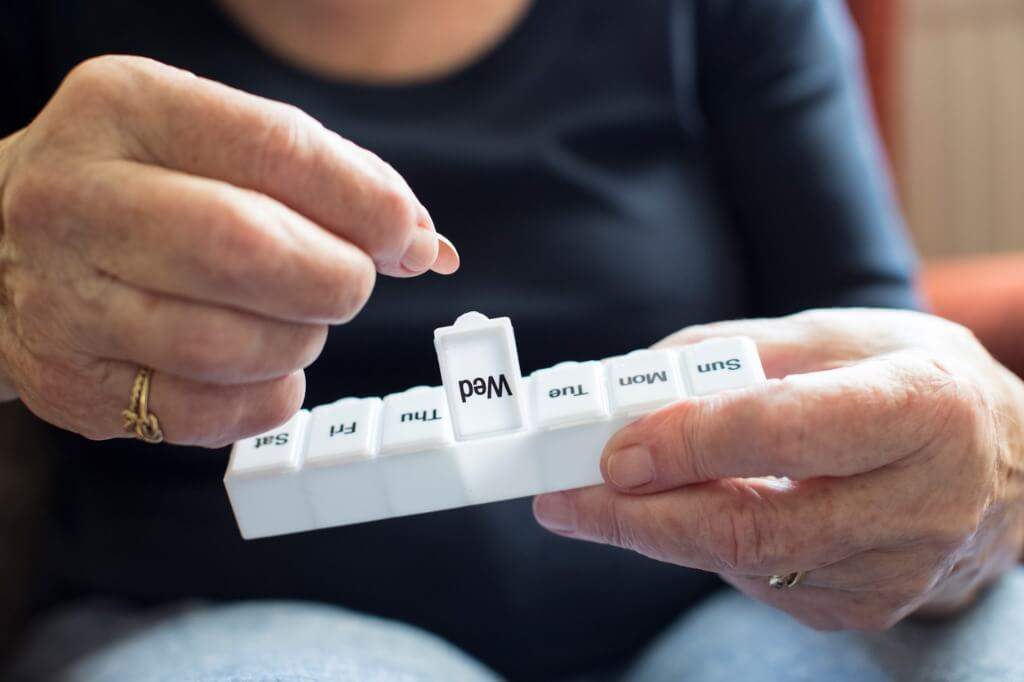
Medication compliance is a key factor in well-being. If you’re thinking that a medication “should be skipped”, “isn’t important” or “they have too many medications,” then be an advocate and talk to the prescribing physician(s) about it, but never modify a prescription on your own accord. The importance or significance of a medication and its dose or frequency should always be discussed with the prescribing physician(s). Write down your concerns ahead of your discussion so that you can be thorough in talking about side effects, any new symptoms, or whatever the reason is for wanting to make a change. Even if an individual does end up going off of a medication, there are often specific ways of doing this to prevent side effects (i.e., weaning).
We have a robust Medication Management Checklist made just for you that you can view or download here, as well as an in depth video on how to maintain Medications here.
If your loved one needs a little extra prompting with meds and lives on their own, look into something like the Livi. The Livi is a smart home medication dispenser that simplifies managing multiple medications for patients while giving caregivers support.
Visit our YouTube channel for talks around aging topics and to watch our Coffee Chats with Tiffany where RN Tiffany Rubin talks about matters you care about.
