
Loneliness can be easy to miss, especially when an older loved one is still living independently and managing many parts of daily life on their own. But small changes in mood, routine, appetite, or social habits can sometimes point to a deeper need for connection.
For families, recognizing the signs of loneliness in elderly loved ones early can make a meaningful difference. A little more conversation, companionship, and day-to-day support can help an aging parent or relative feel more connected and confident.
Understanding the Impact of Social Isolation in Older Adults
Social isolation in older adults can happen for many reasons. Friends may move away, driving may become more difficult, mobility can change, or a spouse may no longer be there to share daily routines. Over time, a smaller social circle can make the days feel long and repetitive.
Loneliness may affect more than mood. It can also influence sleep, appetite, motivation, and the desire to stay active. Family members may notice that a loved one seems less interested in conversation, has stopped making plans, or simply does not seem like themselves.
Recognizing the Signs of Loneliness in Elderly Loved Ones
Changes in Sleep Patterns or Appetite
An older adult who feels lonely may begin sleeping much more than usual or struggle to sleep well at night. Appetite can also change. You may notice skipped meals, an emptier refrigerator, or less interest in foods they once enjoyed.
Withdrawing from Hobbies and Social Activities
One of the clearest signs is pulling away from familiar routines. A loved one may stop attending church, seeing friends, gardening, playing cards, or taking part in a favorite hobby. They may also turn down invitations more often, even when they once looked forward to getting out.
Unexplained Physical Aches and Pains
Emotional distress can sometimes show up as physical discomfort. Frequent complaints about headaches, fatigue, stomach upset, or general aches may be worth paying attention to, especially when they appear alongside changes in mood or social behavior.
Navigating Common Elderly Living Alone Problems
Neglected Household Chores and Personal Hygiene
Some elderly living alone problems begin quietly. Laundry may pile up, dishes may sit in the sink, unopened mail may collect, or personal grooming may become less consistent. These changes can be signs that everyday tasks are becoming overwhelming or that a loved one has lost motivation.
Increased Risk of Falls and Emergencies
Living alone can also make unexpected situations more stressful. A fall, a missed meal, or a household problem may go unnoticed longer when there is no one nearby to check in. Regular companionship provides another layer of support and gives families added peace of mind.
How Companion Care Can Combat Senior Loneliness
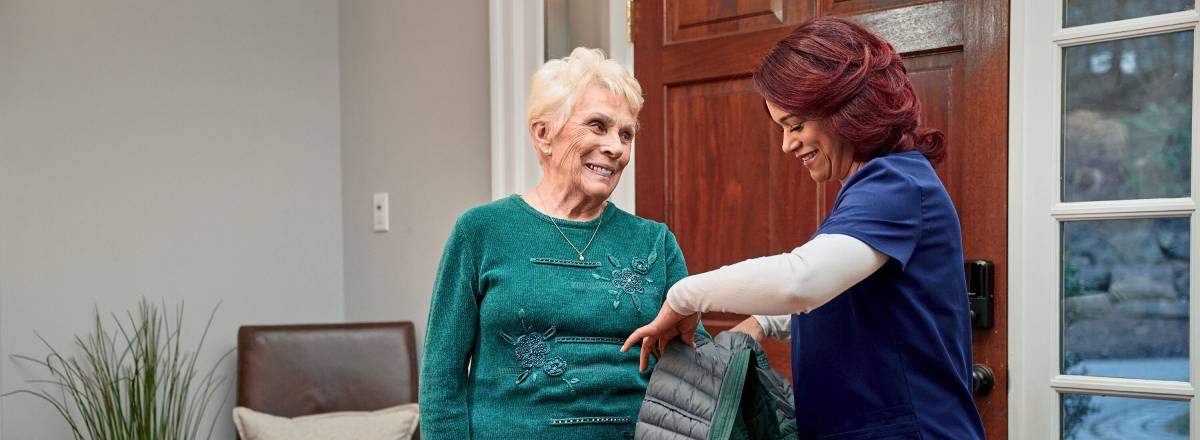
Consistent companionship can bring warmth and structure back into the day. A Caregiver can share meals, enjoy conversation, play games, work on puzzles, take short walks, read aloud, support favorite hobbies, or accompany a loved one to appointments and social outings.
At Care Advantage, Inc., our Companion Care services are designed around the whole person. Our Caregivers can provide companionship along with personal care and household help as needs change. Families don’t have to choose just one kind of support; they can create a solution that meets their loved one’s specific needs and lifestyle.
Find Compassionate Support with Care Advantage, Inc.
If you’ve noticed changes in your loved one’s routine, mood, or interest in daily life, it may be time to explore a little more support at home. Care Advantage, Inc. partners with families to create thoughtful care plans that help loved ones stay independent, connected, and able to live life to the fullest.
Contact Care Advantage, Inc. to schedule a consultation and learn how our Caregivers can become a trusted part of your family’s support system.
