
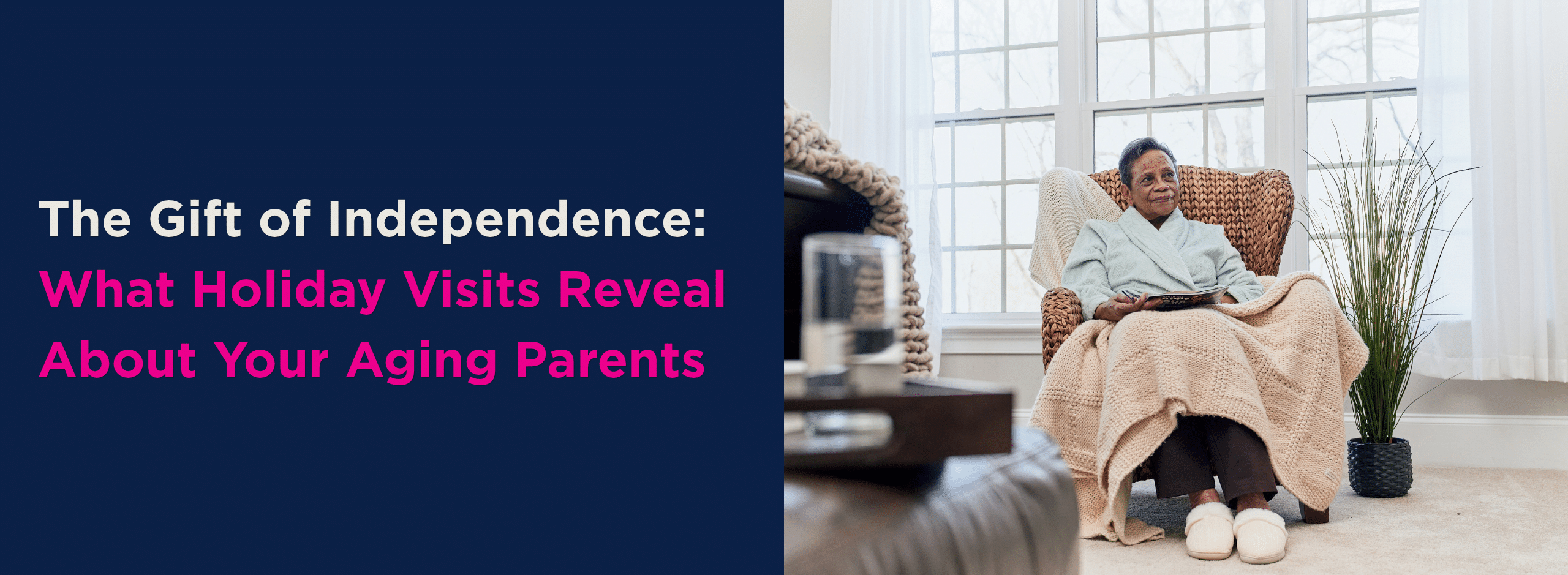
- Look Beyond the Visit: Holiday time together often reveals changes in a loved one’s health that phone calls never could.
- Know the Signs: Small shifts in appearance, behavior, and daily habits can signal that an aging parent needs more support.
- From Concern to a Clear Plan: Care Advantage, Inc. helps families take what they have noticed and turn it into personalized care at home.
The holidays have a way of bringing things into focus.
You’ve been talking on the phone, sending texts, maybe video calling here and there. Everything seemed fine, and then you walk through the door and notice something is different. The house is not quite how it used to be, and your parent seems quieter, confused, or less steady on their feet than you remembered.
Phone calls can’t show you what a visit can. And for many families, the holidays are when the signs of aging finally become impossible to ignore.
What Holiday Visits Make Visible
A single afternoon with an aging parent can tell you more than months of check-in calls. Here‘s what to pay attention to.
Changes in the home. Unopened mail piling up, spoiled food in the refrigerator, or an unusually cluttered or unkempt space. These can signal that daily tasks have become too difficult to manage. For someone who kept a tidy home for decades, the shift is worth taking notice.
Personal hygiene. Unwashed clothing, lack of grooming, or a general decline in personal care can point to physical limitations, low energy, or early signs of cognitive change.
Mood and engagement. An aging parent who used to light up during the holidays now seems withdrawn, low-spirited, or uninterested in traditions they once loved. Depression, anxiety, and social isolation are more common in older adults than most families realize, and they are often most visible during times that are supposed to be joyful.
Memory and confusion. Misplacing familiar items, struggling to follow conversation, forgetting to take medications, or being confused about everyday details are all signs to look out for. These moments can feel easy to explain away, but patterns are important.
Mobility and balance. Watch for unsteadiness getting up from a chair, difficulty navigating stairs, or new bruises and scratches that suggest falls may be happening more frequently than you know.
Eating and weight. Noticeable weight loss, an empty refrigerator, or signs that cooking has become too difficult are worth raising with their doctor. Nutrition and hydration have a significant impact on an older adult’s overall health.
Why Independence at Home Matters So Much
After a lifetime of self-sufficiency, the prospect of needing help can feel like a loss. For many older adults, staying in their own home is not just a preference. It is deeply tied to their sense of identity, dignity, and control.
Understanding that can make having an important conversation with your aging loved one even harder. When you raise concerns about what you observed, the goal is never to take something away but instead find a way to protect what they still have.
The best outcomes happen when older adults feel included in those conversations, not managed by them.
How to Start the Conversation
Here are a few things that can help.
Choose a calm moment, not a reactive one. The holiday dinner table or the emergency room are not the right settings. Find a quiet time when you are both relaxed.
Ask questions rather than making statements. “How have you been feeling lately?” and “Is there anything around the house that has been harder to keep up with?” are easier to receive than “I noticed the house is a mess and I’m worried about you.”
Frame it as a team effort. “How can we work together to make sure you feel supported?” keeps both of you on the same side of the conversation.
These types of conversations are rarely resolved during a single visit, so plant the seed, revisit it, and move at a pace that feels manageable for both of you.
How Care Advantage, Inc. Helps Families Take the Next Step
Recognizing the signs is the first step and knowing what to do next is where many families need a little guidance.
At Care Advantage, Inc., we work with families who are navigating exactly this moment. Whether your loved one needs a few hours of support each week, help with personal care and household tasks, companionship, or more specialized support for a chronic condition or memory challenge, we build care plans around each individual’s needs and preferences.
Our Caregivers are trained, licensed, bonded, and insured, and they are backed by a care team that monitors outcomes and communicates with families. We start with a comprehensive care assessment to understand what support would actually make a difference, and then we build from there.
If this holiday season has shown you that your aging parent could use more support at home, we would love to help you think through what that could look like.
Contact us today for a free care assessment, or explore our home care services to learn more.
