
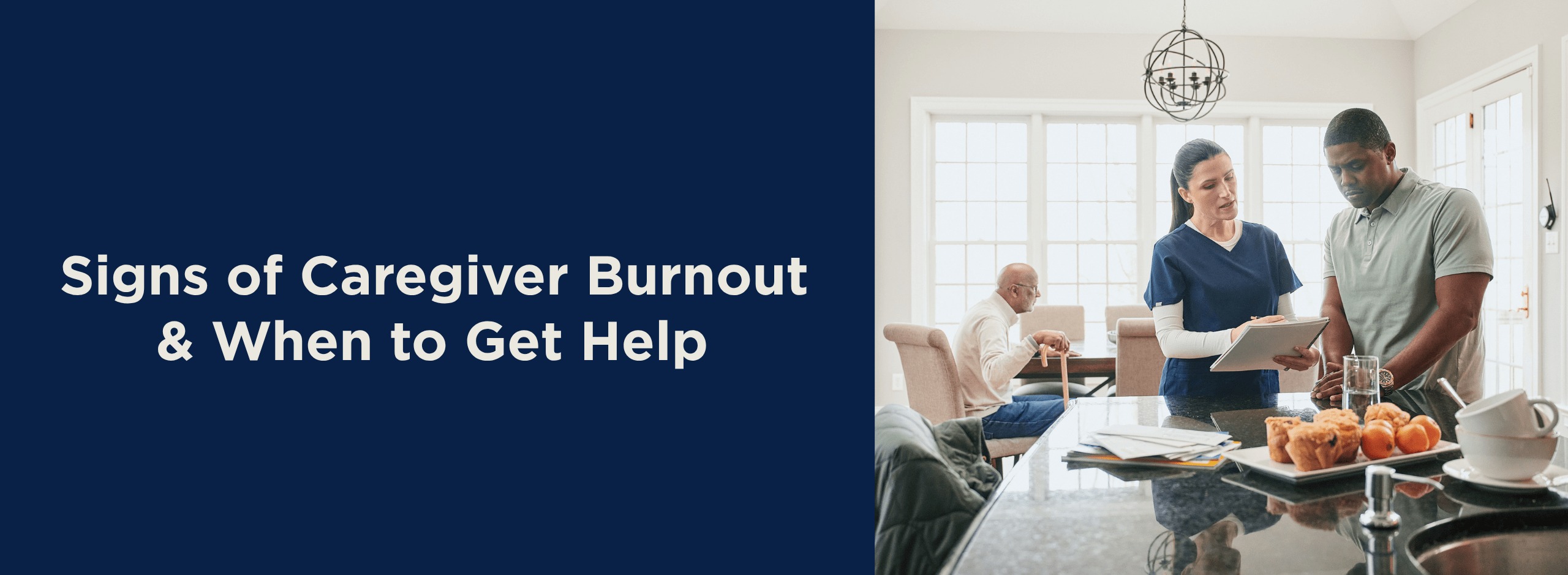
If you have been caring for an aging parent and quietly wondering how much longer you can keep going, this is for you.
You are not failing and you are not ungrateful. What you are is exhausted, and there is a real difference.
Caregiver burnout affects an estimated 20 to 30 percent of family caregivers at any given time. It does not happen because someone stopped caring. It happens because they cared so much, for so long, with so little relief, that their capacity to cope ran out. Understanding what burnout looks like and why it happens is the first step toward removing it from your life.
What Is Caregiver Burnout?
Caregiver burnout is a state of deep physical, emotional, and mental exhaustion that develops when caregiving demands consistently exceed a person’s ability to manage them.
What makes caregiver burnout distinct from stress or workplace fatigue is the relational weight behind it. You’re not only managing tasks, but you’re also managing grief, love, obligation, and the slow loss of the person you knew, sometimes all at once. Many family caregivers also experience identity diffusion, which is a gradual loss of who they were outside the caregiver role. Social isolation compounds this, as the time demands of caregiving leave little room for friendships, hobbies, or simply being alone with yourself.
Understanding the Difference Between Stress and Burnout
When you are stressed, you are still engaged. You might be frustrated or overwhelmed, but you’re still present. Burnout is entirely different and can look like emotional numbness, a hollow sense of going through the motions, or quiet resentment that arrives with guilt. If you find yourself dreading to spend time with the loved one you are caring for, that is not a character flaw; it’s a sign that something is wrong.
What Are the Common Signs and Symptoms of Caregiver Burnout?
Caregiver burnout builds slowly, and most people do not recognize it until they are already deep in it. These are the signs to pay attention to.
Physical Red Flags: Why Am I Always Tired?
Chronic fatigue that does not go away once you’ve had a full night’s rest is one of the most common physical signs of caregiver burnout. Because chronic stress suppresses the immune system, you may also notice that you are getting sick more often. Sleep disturbances, changes in appetite, and neglecting your own health appointments are factors that are worth taking seriously.
Emotional Symptoms: Are You Experiencing Irritability and Compassion Fatigue?
Persistent sadness, a shortened fuse, or feeling emotionally detached from the loved one you are caring for are all emotional signs of caregiver burnout, including the guilt that follows. Many family caregivers experience resentment and shame, which is one of the reasons why burnout is so hard to talk about. Compassion fatigue, the secondary stress that comes from sustained exposure to another person’s suffering, is real, and it is not a sign of weakness.
According to AARP’s 2023 report on caregivers’ mental health, more than half of family caregivers say caregiving makes it hard to take care of their own mental health. Nearly 4 in 10 say they never or rarely relax.
Behavioral Changes: Why Am I Withdrawn from the People and Things I Love?
Pulling away from friends, No longer participating in things you used to enjoy, and turning to food, alcohol, or other habits to manage stress are behavioral signs that something has changed. Difficulty concentrating and a sense that no matter what you do will never be enough are also common symptoms. AARP’s same 2023 report found that 40 percent of family caregivers say caregiving makes them feel alone.
What are the Stages of Caregiver Burnout?
Caregiver burnout does not happen overnight, and it moves through recognizable stages. Knowing which stage you’re in can help you decide what kind of support you need.
Warning Stage: Early Symptoms
In the early stage, you may feel more tired than usual, occasionally irritable, or like you have less patience. Life feels slightly off-balance but still manageable. This is the easiest stage to address, and the one most people push through without stopping to notice that something is wrong.
Control Stage: Escalating Stress
Things that used to feel manageable now feel hard, and you may begin canceling plans or struggling to find moments that feel genuinely yours.
Survival Stage: Deep Fatigue
At this stage physical exhaustion is constant, emotional reserves are depleted, and the sense that your life has been taken over is hard to shake. You also might start to feel guilty for feeling this way.
Burnout Stage: Complete Depletion
Full caregiver burnout involves a physical and/or emotional collapse, and the ability to show up for the person you are caring for is significantly compromised.
“Caregiving often involves sustained, unpredictable stress with no clear end point. Unlike a project deadline or an acute crisis, caregiving demands can escalate indefinitely. The body’s stress response systems, which are designed for short-term threats, are not built for years of activation. Chronic stress dysregulates cortisol, impairs sleep, suppresses immunity, and depletes the emotional resources needed for empathy and patience.” – Simply Psychology
Why Does Caregiver Burnout Happen?
Most family caregivers who experience the burnout stage do not see it coming, mainly because of the conditions that cause it may feel like personal issues rather than structural ones.
Conflicting demands are a major factor as well. You might be trying to balance the needs of your loved one alongside work, your family, and your personal or social life. Add to that unclear boundaries around your caregiving role, and the unrealistic expectations that often come from other family members, and burnout becomes less of a risk and more of an unfortunate reality.
Feelings of guilt also come into play. Many adult children feel they should be able to handle caregiving alone, and that needing help reflects inadequacy, or that putting their own needs first is selfish. Of course, that couldn’t be further from the truth, and a rested caregiver provides significantly better care than an exhausted one.
When to Get Help: Don’t Wait Until You Break
If any of what you have read here sounds familiar, that is enough reason to seek help. You do not need to be at the end of your rope to deserve support. In fact, getting help earlier means you have more of yourself left to give to your loved one.
Have you ever considered asking someone you trust to fill in for a few hours so you can step away? Or spoke to your doctor about the weight you are carrying? Or even looked into respite care services? And if you find yourself struggling with your mental health, a therapist who specializes in caregiver stress can make a meaningful difference.
For many families, in-home care is what makes sustainable caregiving possible.
At Care Advantage, Inc., our personal care and respite care services are designed for you. We take time to understand your loved one’s routines, preferences, and health needs, then match them with a Caregiver who can provide steady, compassionate care while you step back and take a breath.
Our Caregivers are licensed, bonded, and insured, and they receive ongoing training and clinical oversight from our nursing team. Behind every Caregiver is a local team that knows your family and is ready to step in with care that feels personal, not transactional.
Whether you need a few hours of relief each week, support during a busy season, or more consistent help at home, you do not have to figure out the next step alone. Contact us today for a free care assessment and let us help you find what feels right.
Sources: Simply Psychology Editorial, simplypsychology.com; AARP, “A Look at Caregivers’ Mental Health,” 2023; Cleveland Clinic; Johns Hopkins Medicine; National Respite Network (archrespite.org).
